
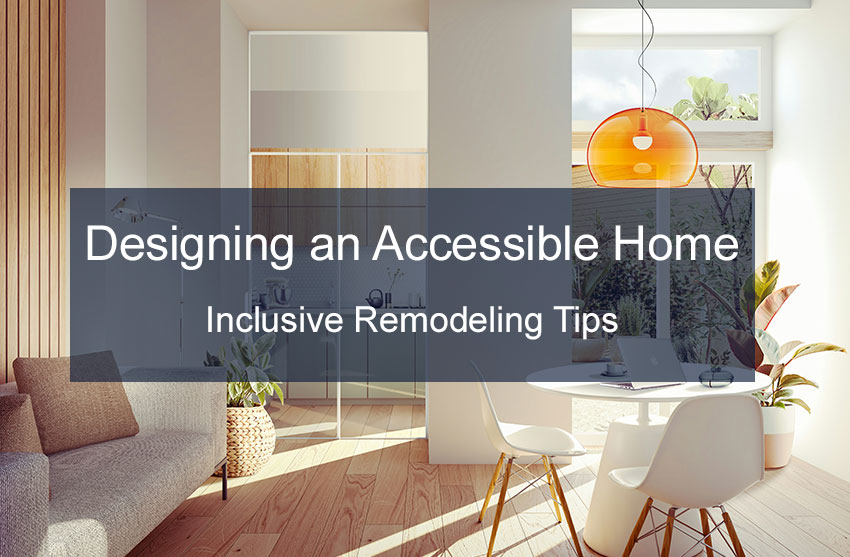
Designing an Accessible Home: Inclusive Remodeling Tips for Michigan Homes
Home is where we should feel safest, most comfortable, and truly independent. For many Michigan homeowners, that sense of comfort changes over time. Aging parents move in, children with special needs grow up, or a family member faces mobility challenges after an injury or surgery. Suddenly, everyday tasks like stepping into a shower, opening a door, or climbing stairs feel harder than they should.
This is where accessible home remodeling comes in. Designing an inclusive home isn’t about sacrificing style—it’s about creating a space that works for everyone, at every stage of life. From ADA-compliant ramps and lever handles to zero-threshold showers and wider doorways, thoughtful upgrades can make your home safer, more functional, and more welcoming.
In this guide, we’ll walk through practical, human-centered remodeling ideas tailored specifically for Michigan homes. Whether you’re planning ahead or addressing an immediate need, working with the Best home remodeling Michigan professionals can help you create a space that blends comfort, beauty, and accessibility.
Why Accessible Home Design Matters in Michigan
Michigan’s population is aging, and more families are choosing to age in place rather than move into assisted living facilities. At the same time, unpredictable winter weather, icy driveways, and heavy snowfall can make mobility even more challenging.
Accessible home remodeling offers:
- Greater independence for seniors and people with disabilities
- Improved safety and fall prevention
- Long-term cost savings compared to assisted living
- Higher resale value
- Peace of mind for families
Designing an inclusive home is not just about compliance—it’s about dignity, freedom, and quality of life.
Understanding ADA Compliance for Homes
The Americans with Disabilities Act (ADA) sets guidelines for accessibility in public spaces. While private homes are not legally required to follow ADA standards, these guidelines offer an excellent framework for safe and functional design.
ADA-inspired residential remodeling focuses on:
- Wider doorways and hallways
- Accessible bathroom layouts
- Non-slip flooring
- Proper lighting
- Easy-to-use hardware
Professional contractors from the Best home remodeling Michigan teams understand how to adapt ADA principles for residential spaces.
Accessible Entryways: Ramps and Zero-Step Access
Wheelchair-Friendly Ramps
Traditional stairs can be a major barrier. Installing a ramp provides smooth access for wheelchairs, walkers, and strollers.
Key ramp features:
- Gentle slope (1:12 ratio)
- Non-slip surface
- Handrails on both sides
- Proper drainage for Michigan winters
Zero-Step Entry
A zero-step entrance removes the need to climb stairs entirely. This design is perfect for aging homeowners and families with mobility challenges.
Benefits include:
- Improved safety
- Better accessibility during snow and ice
- Increased home value
Covered Entryways
Michigan weather can be harsh. Adding a covered porch or awning protects users from rain, snow, and ice.
Wider Doorways and Hallways
Standard doorways can be too narrow for wheelchairs and walkers. Accessible homes typically feature:
- 36-inch-wide doors
- Minimum 42-inch hallways
This allows easy navigation throughout the house.
Pocket and Sliding Doors
Sliding doors save space and are easier to open than traditional swing doors.
Lever Handles: Small Change, Big Impact
Round doorknobs can be difficult for people with arthritis or limited hand strength. Lever handles offer:
- Easy grip
- One-hand operation
- Modern style options
Install lever handles on:
- Doors
- Faucets
- Cabinet hardware
Accessible Bathrooms: Safety First
Zero-Threshold Showers
Stepping over a bathtub edge is a common cause of falls. Zero-threshold showers eliminate this risk.
Features include:
- Flush floor entry
- Non-slip tiles
- Built-in seating
- Handheld shower heads
Grab Bars
Strategically placed grab bars provide support in:
- Showers
- Bathtubs
- Near toilets
Modern grab bars come in stylish finishes to match your décor.
Comfort-Height Toilets
These toilets sit higher than standard models, making it easier to sit and stand.
Roll-Under Sinks
Wheelchair users benefit from open space beneath sinks.
Kitchen Accessibility: Cooking Without Limits
Lowered Countertops
Varying counter heights accommodate seated users.
Pull-Out Shelves
Deep cabinets become more accessible with pull-out storage.
Side-Opening Ovens
These reduce bending and reaching.
Touchless Faucets
Easy operation for limited hand mobility.
Flooring for Safety and Mobility
Choose flooring that is:
- Slip-resistant
- Low-pile or smooth
- Easy to clean
Best options:
- Luxury vinyl plank
- Cork
- Textured tile
Lighting and Visibility
Good lighting prevents accidents.
- Motion-sensor lights
- Under-cabinet lighting
- Night lights in hallways
Use contrasting colors to highlight steps and transitions.
Smart Home Technology for Accessibility
Technology improves independence:
- Voice-controlled lights
- Smart thermostats
- Video doorbells
- Automated blinds
Bedroom Accessibility
Bed Height Adjustments
Adjustable beds improve comfort and mobility.
Clear Pathways
Allow space for walkers and wheelchairs.
Closet Modifications
Lower rods and pull-down systems.
Stair Solutions
Stair Lifts
Safe alternative to climbing stairs.
Home Elevators
Luxury but practical for multi-story homes.
Outdoor Accessibility
Extend accessibility outside:
- Level patios
- Wide garden paths
- Raised garden beds
Budget-Friendly Accessibility Upgrades
- Install grab bars
- Switch to lever handles
- Add non-slip mats
- Improve lighting
Planning for the Future: Aging in Place
Accessible remodeling ensures your home adapts as you age.
Benefits include:
- Long-term independence
- Reduced healthcare costs
- Emotional comfort
Hiring the Right Contractor
Choose professionals experienced in:
- Universal design
- ADA-inspired layouts
- Michigan building codes
Working with the Best home remodeling Michigan team ensures safety, style, and compliance.
Common Mistakes to Avoid
- Ignoring future needs
- Skipping professional advice
- Using slippery flooring
- Overlooking outdoor access
Emotional Impact of Accessible Homes
Accessible design isn’t just physical—it’s emotional. It restores confidence, independence, and dignity. Families feel relief knowing loved ones are safe. Home becomes a place of empowerment, not limitation.
Final Thoughts
Designing an accessible home is one of the most meaningful remodeling investments you can make. From ADA-inspired ramps and lever handles to zero-threshold showers and smart technology, every upgrade enhances safety and independence.
Michigan homeowners deserve spaces that grow with them. With guidance from the Best home remodeling Michigan professionals, you can create a home that welcomes everyone—today and in the future.
Your home should support your life, not restrict it. Start planning your inclusive remodel today and build a space where comfort, safety, and freedom come together beautifully.









Leave a Reply