
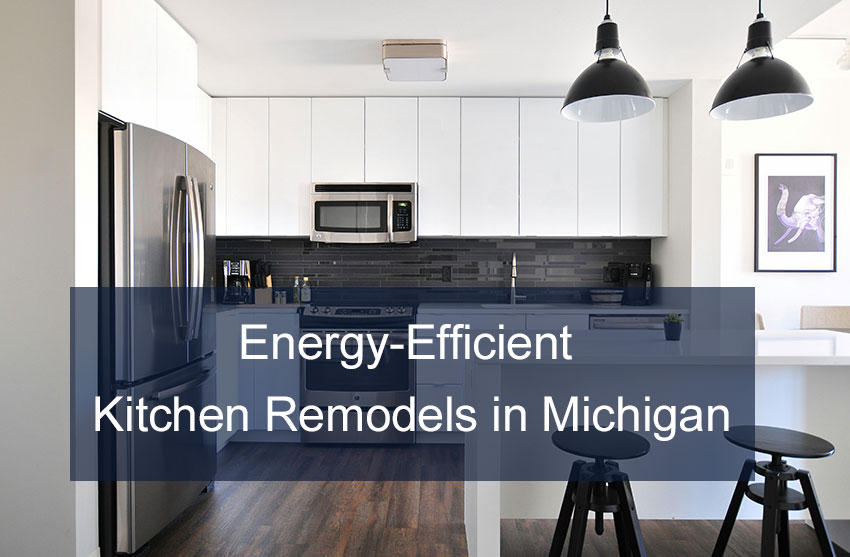
Energy-Efficient Kitchen Remodels in Michigan: Save Money Year-Round
Your kitchen is the heart of your home. It’s where meals are prepared, conversations happen, and memories are made. But it’s also one of the biggest energy consumers in your house. From refrigerators and ovens to lighting and ventilation, kitchens use a significant amount of electricity and gas every day.
For Michigan homeowners, energy efficiency matters even more. With cold winters, warm summers, and fluctuating energy costs, a smart kitchen remodel Michigan project can help you save money all year long. By upgrading appliances, improving layout, and using modern technology, you can create a kitchen that’s stylish, functional, and eco-friendly.
This detailed guide explores how to design an energy-efficient kitchen that works for Michigan’s climate and lifestyle while reducing your monthly utility bills.
Why Energy Efficiency Matters in Michigan Kitchens
Michigan experiences long winters and humid summers, which means heating, cooling, and cooking costs can add up quickly. Kitchens generate extra heat and moisture, making efficient appliances and ventilation essential.
An energy-efficient kitchen remodel Michigan can:
- Lower electricity and gas bills
- Improve indoor air quality
- Reduce environmental impact
- Increase home resale value
- Create a more comfortable cooking space
Investing in efficiency today pays off for years to come.
Energy Star Appliances: Smart Upgrades That Pay Off
What Is Energy Star?
Energy Star is a government-backed program that certifies appliances meeting strict energy efficiency standards. These products use less power without sacrificing performance.
When planning your kitchen remodel Michigan, prioritize Energy Star appliances for long-term savings.
Energy Star Refrigerators
Refrigerators run 24/7, making them one of the largest energy users in your home.
Benefits of Energy Star refrigerators:
- Use up to 15% less energy
- Better temperature control
- Improved insulation
- Advanced compressors
Look for models with:
- Top-freezer or bottom-freezer designs
- LED interior lighting
- Adjustable temperature zones
Energy Star Dishwashers
Modern Energy Star dishwashers use:
- Less water per cycle
- Lower heating temperatures
- Efficient spray arms
This reduces both water and energy consumption.
Energy Star Ovens and Ranges
Energy-efficient ovens offer:
- Faster preheating
- Improved insulation
- Convection cooking
Convection ovens circulate hot air evenly, reducing cooking time and energy use.
Energy Star Microwaves
Microwaves use significantly less energy than traditional ovens. Choose models with:
- Sensor cooking
- Eco mode
- Efficient standby settings
Induction Cooking: The Future of Energy-Efficient Kitchens
How Induction Cooking Works
Induction cooktops use electromagnetic energy to heat cookware directly. Instead of heating the surface, the pan itself becomes the heat source.
Benefits of Induction Cooking
- Up to 90% energy efficiency
- Faster cooking times
- Precise temperature control
- Cool-to-touch surfaces
- Safer for families
Compared to gas and traditional electric stoves, induction reduces wasted heat.
Is Induction Right for Michigan Homes?
Yes. Induction cooking:
- Reduces indoor heat during summer
- Works efficiently in winter
- Pairs well with renewable energy
You’ll need compatible cookware made of magnetic materials like cast iron or stainless steel.
Kitchen Layout Hacks That Reduce Energy Bills
The Work Triangle Rule
The classic kitchen work triangle connects:
- Refrigerator
- Sink
- Stove
Keeping these close reduces movement and cooking time, which saves energy.
Zoning for Efficiency
Create functional zones:
- Cooking zone
- Prep zone
- Cleaning zone
- Storage zone
This prevents unnecessary appliance use.
Proper Appliance Placement
Avoid placing:
- Refrigerators near ovens
- Dishwashers near heat sources
This forces appliances to work harder.
Natural Light Utilization
Install larger windows or skylights to reduce daytime lighting needs.
Energy-Efficient Lighting Solutions
Switch to LED Lighting
LED bulbs:
- Use 75% less energy
- Last 25 times longer
- Produce less heat
Layered Lighting Design
- Task lighting for counters
- Ambient ceiling lights
- Accent lighting for cabinets
This reduces overuse of bright lights.
Smart Lighting Controls
Install:
- Motion sensors
- Dimmers
- Smart switches
Turn lights off automatically when not needed.
Smart Ventilation for Energy Savings
Energy-Efficient Range Hoods
Choose models with:
- Variable speed fans
- Automatic shut-off
- LED lighting
Proper Ductwork
Ensure ducts are:
- Short and straight
- Well-insulated
- Sealed properly
This prevents energy loss.
Heat Recovery Ventilators
HRVs capture heat from outgoing air and reuse it, perfect for Michigan winters.
Water-Saving Fixtures
Low-Flow Faucets
Reduce water use without sacrificing pressure.
Touchless Faucets
Prevent unnecessary water flow.
Efficient Garbage Disposals
Modern models use less water and power.
Energy-Efficient Cabinets and Materials
Sustainable Cabinet Materials
- Bamboo
- Reclaimed wood
- Low-VOC finishes
Thermal Countertops
Materials like quartz retain less heat.
Flooring Choices That Improve Efficiency
Radiant Heating-Compatible Floors
- Tile
- Engineered wood
- Vinyl plank
Insulated Subfloors
Keep cold air out during winter.
Smart Technology for Energy Monitoring
Smart Plugs
Track appliance energy use.
Smart Thermostats
Regulate kitchen temperatures efficiently.
Energy Monitoring Systems
View real-time energy consumption.
Renewable Energy Integration
Solar Panels
Power your kitchen sustainably.
Battery Storage
Store excess solar energy.
Seasonal Energy-Saving Tips
Winter
- Use pressure cookers
- Cook multiple meals at once
- Keep oven door closed
Summer
- Use induction cooktops
- Grill outdoors
- Run dishwasher at night
Budget-Friendly Energy-Efficient Upgrades
- Replace bulbs with LED
- Seal air leaks
- Upgrade faucet aerators
- Use smart power strips
Choosing the Right Contractor
For your kitchen remodel Michigan, hire professionals who:
- Understand energy codes
- Offer Energy Star options
- Provide transparent pricing
- Have local experience
Return on Investment
Energy-efficient remodels increase:
- Home value
- Buyer appeal
- Monthly savings
Many upgrades pay for themselves over time.
Common Mistakes to Avoid
- Ignoring ventilation
- Overlooking insulation
- Choosing oversized appliances
- Blocking natural light
Final Thoughts
An energy-efficient kitchen remodel Michigan is one of the smartest investments you can make. From Energy Star appliances and induction cooking to smart layouts and lighting, every upgrade helps reduce your utility bills while improving comfort.
Michigan homeowners can enjoy year-round savings by planning wisely and working with experienced professionals. Whether you’re making small changes or doing a full renovation, your kitchen can become a model of efficiency and style.
Start planning your remodel today and enjoy a greener, smarter, and more cost-effective kitchen for years to come.




Leave a Reply