From Drafty to Efficient: Energy-Saving Renovation Tips for Michigan Homes
Michigan homeowners know the feeling. January winds whip across the lakes, snow piles against the siding, and suddenly every tiny draft in your house feels like a personal attack. Then summer arrives with humidity that makes your air conditioner work overtime. Living in the Midwest means your home has to handle temperature extremes — and if it isn’t energy efficient, your utility bills will remind you every single month.
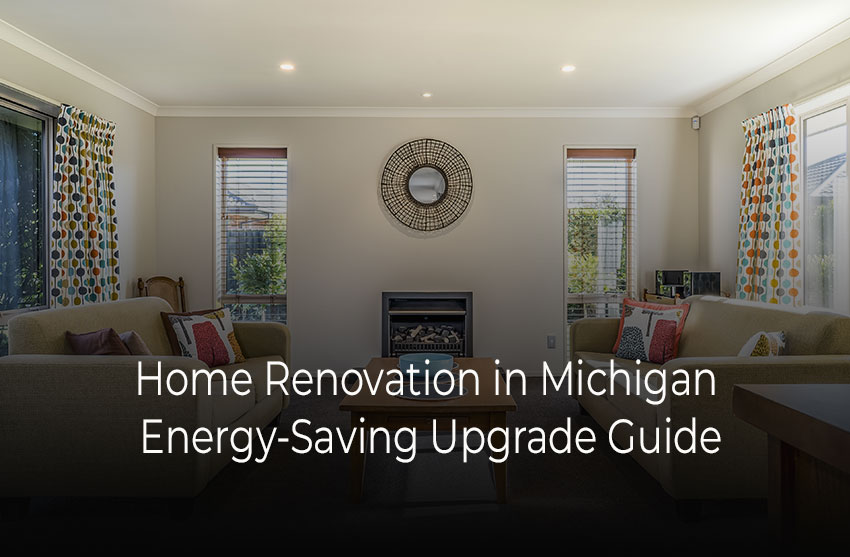
That’s why Home Renovation in Michigan isn’t just about aesthetics anymore. It’s about comfort, durability, and long-term savings. Smart energy-efficient upgrades can transform a drafty, inconsistent house into a comfortable, cost-effective, and environmentally responsible home.
This comprehensive guide walks you through insulation upgrades, window replacements, HVAC improvements, air sealing strategies, and practical renovation steps designed specifically for Michigan’s four-season climate.
Why Energy Efficiency Matters in Michigan
Michigan’s climate presents unique challenges:
- Long, cold winters with freezing temperatures
- Heavy snowfall and ice buildup
- Humid summers with heat waves
- Spring and fall temperature swings
Homes built decades ago often lack modern insulation, high-performance windows, and efficient heating systems. As a result, homeowners deal with:
- Uneven room temperatures
- High heating and cooling costs
- Drafts near windows and doors
- Ice dams on roofs
- Excess humidity in summer
A strategic Home Renovation in Michigan focused on energy efficiency addresses these issues at the source rather than masking symptoms.
Step 1: Start With a Professional Energy Audit
Before tearing out walls or replacing windows, begin with an energy audit. A certified auditor uses tools like:
- Blower door tests
- Thermal imaging cameras
- Duct leakage testing
This process pinpoints exactly where your home is losing energy. You may discover the biggest problem isn’t your furnace — it’s your attic insulation or poorly sealed rim joists.
For any serious Home Renovation in Michigan, this step ensures you invest money where it produces the highest return.
Insulation Upgrades: Your First Line of Defense
If your home feels drafty, insulation is usually the primary culprit. Michigan homes, especially those built before the 1990s, often have insufficient attic or wall insulation.
Attic Insulation
Heat rises. In winter, poorly insulated attics allow warm air to escape, forcing your furnace to work harder. In summer, attics become ovens that radiate heat downward.
Recommended attic insulation levels for Michigan typically range from R-49 to R-60.
Options:
- Blown-in cellulose – Affordable and effective for retrofits
- Fiberglass batts – Common but must be properly installed
- Spray foam – High performance and air-sealing benefits
Upgrading attic insulation is one of the most cost-effective improvements in any Home Renovation in Michigan project.
Wall Insulation
Many older Michigan homes have little to no insulation inside exterior walls. Dense-pack cellulose or spray foam can be added without fully removing drywall, significantly reducing drafts.
Basement & Rim Joist Insulation
Cold floors in winter often stem from poorly insulated basements. Insulating rim joists with spray foam dramatically reduces cold air infiltration and moisture problems.
Air Sealing: Stop the Hidden Leaks
Insulation alone doesn’t solve everything. Air leaks allow heated or cooled air to escape. Common leakage areas include:
- Attic hatches
- Electrical outlets on exterior walls
- Window frames
- Door frames
- Basement penetrations
Caulking, weather stripping, foam sealants, and proper flashing are small upgrades that deliver big returns. In many cases, air sealing costs far less than replacing major systems but yields noticeable comfort improvements.
Every energy-focused Home Renovation in Michigan should prioritize air sealing before upgrading HVAC equipment.
Window Upgrades: More Than Just Looks
Old single-pane windows are a major source of heat loss. Even early double-pane models may lack modern low-emissivity coatings.
What to Look For:
- Double or triple-pane glass
- Low-E coatings
- Argon or krypton gas fill
- ENERGY STAR® certification for Northern Climate Zone
Triple-pane windows are particularly effective in Michigan’s harsh winters. They reduce condensation and improve indoor comfort near window areas.
Installation Matters
Poor installation can negate even the best window technology. Proper flashing and sealing prevent water intrusion and drafts.
Window replacement can be a visible and valuable component of Home Renovation in Michigan, increasing both efficiency and curb appeal.
Upgrade Exterior Doors
Old wooden doors with worn seals allow air leakage. Modern insulated steel or fiberglass doors with tight weatherstripping provide better performance and durability.
Adding a storm door can create an extra buffer against winter winds.
Heating Systems: Smart Upgrades for Cold Winters
Michigan winters demand reliable heating. If your furnace is 15–20 years old, it may operate at only 60–80% efficiency.
High-Efficiency Furnaces
Modern furnaces reach 95%–98% AFUE (Annual Fuel Utilization Efficiency). That means nearly all fuel converts to heat.
Heat Pumps (Cold Climate Models)
Cold-climate air-source heat pumps now work effectively in northern states. They provide both heating and cooling, reducing reliance on gas systems.
Boiler Systems
If your home uses radiant heat, upgrading to a high-efficiency boiler improves comfort and reduces fuel usage.
Choosing the right system depends on your home size, insulation levels, and budget. Proper HVAC selection is central to successful Home Renovation in Michigan.
Cooling Improvements for Humid Summers
Energy efficiency isn’t only about winter. Michigan summers can be humid and uncomfortable.
Upgrade to High-SEER Air Conditioners
Look for units rated SEER 16 or higher for improved performance.
Consider Variable-Speed Systems
These systems adjust output based on demand, improving humidity control and reducing energy waste.
Whole-Home Dehumidifiers
Improved humidity control reduces mold risk and enhances comfort.
Ductwork Inspection & Sealing
Leaky ducts waste significant energy. Sealing ducts with mastic and insulating them in unconditioned spaces prevents heat loss.
Duct sealing is often overlooked in Home Renovation in Michigan but can drastically improve system efficiency.
Smart Thermostats & Zoning
Smart thermostats learn your schedule and optimize heating and cooling. Zoning systems allow different temperatures in separate areas of your home.
In multi-story Michigan homes, zoning can eliminate the common “hot upstairs, cold downstairs” problem.
Roof & Ice Dam Prevention
Poor attic insulation and ventilation cause ice dams, leading to roof damage. Proper attic ventilation and insulation upgrades prevent this costly winter issue.
Energy-Efficient Lighting & Appliances
Switching to LED lighting and ENERGY STAR appliances reduces electricity consumption. While smaller individually, these upgrades contribute to whole-home efficiency.
Basement & Crawl Space Improvements
Moisture control and insulation in basements improve air quality and prevent heat loss. Encapsulation systems can transform cold, damp basements into conditioned spaces.
Financial Incentives & Rebates in Michigan
Many Michigan utility providers offer rebates for:
- High-efficiency furnaces
- Heat pumps
- Insulation upgrades
- Smart thermostats
Federal tax credits may also apply to qualifying upgrades. These incentives make energy-focused Home Renovation in Michigan more affordable.
Real-Life Transformation Example
A mid-1970s home in suburban Michigan struggled with $400 winter heating bills. After an energy audit, the homeowners invested in attic insulation upgrades, rim joist sealing, and a 96% efficient furnace.
Results:
- Heating bills reduced by nearly 30%
- More consistent indoor temperatures
- Improved indoor air quality
The total renovation paid for itself in energy savings over time while increasing resale value.
Prioritizing Renovation Steps
If budget is limited, follow this order:
- Energy audit
- Air sealing
- Attic insulation
- HVAC upgrade
- Window replacement
This strategy ensures maximum efficiency return for every dollar spent.
Long-Term Value of Energy Efficiency
Energy-efficient homes sell faster and attract informed buyers. With rising utility costs, efficient homes are increasingly desirable in Michigan’s competitive housing market.
A well-planned Home Renovation in Michigan focused on efficiency isn’t just an expense — it’s an investment in comfort, sustainability, and property value.
Final Thoughts: Comfort Through All Four Seasons
Michigan weather isn’t predictable — but your comfort can be. By improving insulation, upgrading windows, sealing air leaks, and modernizing HVAC systems, you create a home that performs beautifully year-round.
Energy efficiency isn’t about sacrificing comfort. It’s about enhancing it. It’s about walking barefoot across warm floors in January and enjoying steady cooling in July without worrying about the utility bill.
If you’re planning your next Home Renovation in Michigan, consider starting with energy-saving upgrades. Your future self — and your wallet — will thank you.
Ready to evaluate your home’s energy performance? Start with an audit, create a phased plan, and transform your drafty house into a high-performance Michigan home built for every season.







Leave a Reply