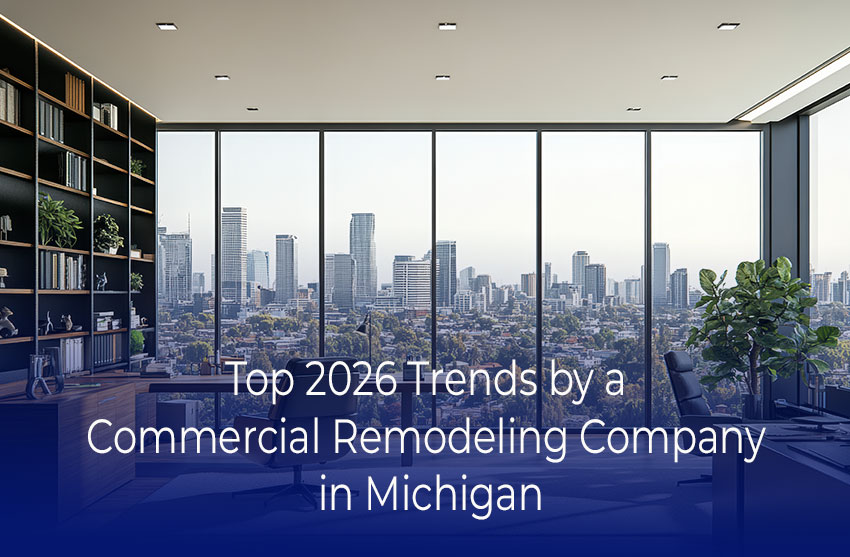
Top Commercial Remodeling Trends Michigan Businesses Are Embracing in 2026
Step inside almost any newly renovated office, retail store, medical clinic, or restaurant in Michigan this year, and you’ll notice something immediately: spaces feel different. They’re brighter. More flexible. More intentional. They tell a story about the brand, the people who work there, and the customers who walk through the doors.
In 2026, commercial interiors across the state are evolving rapidly. From Detroit’s revitalized downtown offices to growing small businesses in Grand Rapids and Ann Arbor, companies are rethinking how their physical spaces function. The goal is no longer just “modernizing.” It’s about creating environments that improve productivity, reflect values, attract talent, and reduce long-term operating costs.
If you’re planning to partner with a Commercial Remodeling Company in Michigan, understanding the latest trends can help you make smarter, future-focused decisions. Below, we explore the most influential commercial remodeling trends shaping Michigan businesses in 2026 — and why they matter.
1. Sustainable & Energy-Efficient Interiors Are No Longer Optional
Sustainability has shifted from a “nice-to-have” to a business expectation. Clients, employees, and investors increasingly evaluate companies based on environmental responsibility. Commercial remodeling projects in 2026 are prioritizing long-term energy efficiency and sustainable materials.
What This Looks Like in Michigan:
- High-performance insulation upgrades
- Energy-efficient LED lighting systems
- Smart HVAC systems with zoning controls
- Low-VOC paints and eco-friendly flooring materials
- Improved natural lighting through glass partitions
Michigan’s climate makes energy efficiency particularly important. With cold winters and humid summers, commercial buildings that reduce heating and cooling loads experience substantial operational savings.
A forward-thinking Commercial Remodeling Company in Michigan will typically recommend energy audits before beginning major renovations to identify where improvements provide the highest return.
2. Flexible Workspaces for Hybrid Teams
The traditional 9-to-5 office model continues to evolve. In 2026, many Michigan businesses operate with hybrid teams. As a result, office layouts are becoming more adaptable.
Popular Design Shifts:
- Modular furniture systems
- Movable wall partitions
- Shared workstations (hot desking)
- Multipurpose collaboration rooms
- Acoustic privacy pods
Instead of rows of permanent desks, offices now emphasize collaborative zones, quiet focus areas, and informal meeting lounges. Flexibility allows companies to scale up or down without expensive reconfiguration.
When working with a Commercial Remodeling Company in Michigan, many businesses request floor plans that maximize adaptability while maintaining professional aesthetics.
3. Biophilic Design: Bringing Nature Indoors
Michigan residents deeply appreciate natural landscapes — from the Great Lakes to wooded trails. In 2026, that appreciation is influencing commercial interiors.
Biophilic Elements Include:
- Living green walls
- Large windows and skylights
- Indoor planters integrated into workspace design
- Natural wood finishes
- Stone and organic textures
Research consistently shows that natural elements improve mood, productivity, and employee well-being. Offices incorporating biophilic design report reduced stress levels and increased engagement.
A skilled Commercial Remodeling Company in Michigan understands how to balance natural materials with durability, especially during seasonal weather fluctuations.
4. Wellness-Focused Work Environments
Employee health is now a central design priority. Businesses are recognizing that healthier environments improve retention and performance.
Wellness-Focused Renovation Features:
- Advanced air filtration systems
- Touchless fixtures in restrooms
- Ergonomic workstations
- Break rooms designed for relaxation
- Quiet rooms for mental recharge
Post-pandemic awareness has permanently reshaped how Michigan companies approach indoor air quality and sanitation.
Many projects led by a Commercial Remodeling Company in Michigan now incorporate improved ventilation systems and materials that are easy to clean and maintain.
5. Technology-Integrated Interiors
Commercial spaces in 2026 are smarter than ever. Technology integration is a dominant remodeling trend.
Common Tech Upgrades:
- Integrated video conferencing rooms
- Smart lighting controls
- Automated climate control systems
- Wireless charging stations
- Digital signage
In retail and hospitality environments, interactive displays enhance customer engagement. In offices, seamless video conferencing capabilities support hybrid teams.
A reputable Commercial Remodeling Company in Michigan collaborates closely with IT professionals to ensure infrastructure supports long-term technology growth.
6. Adaptive Reuse of Existing Buildings
Rather than constructing new buildings, many Michigan businesses are repurposing existing structures. Old warehouses, historic storefronts, and former industrial facilities are being transformed into vibrant commercial spaces.
This trend preserves local character while supporting sustainability goals. Adaptive reuse also aligns with Michigan’s urban revitalization efforts, especially in cities like Detroit and Lansing.
Partnering with an experienced Commercial Remodeling Company in Michigan is essential when working with older structures that may require structural reinforcement or updated building systems.
7. Bold Branding Through Interior Design
Commercial interiors now serve as physical brand statements. Businesses want their space to reflect identity, mission, and culture.
Brand-Driven Features:
- Custom feature walls with logos
- Signature color palettes
- Branded graphics and murals
- Unique lighting fixtures
- Custom millwork
Whether it’s a tech startup embracing vibrant colors or a law firm opting for refined minimalism, design choices reinforce brand messaging.
A professional Commercial Remodeling Company in Michigan works closely with business owners and designers to translate brand identity into physical space.
8. Sustainable Flooring & Durable Materials
Commercial floors endure heavy foot traffic. In 2026, businesses are selecting materials that combine sustainability with durability.
Trending Materials:
- Polished concrete
- Luxury vinyl tile (LVT)
- Recycled carpet tiles
- Engineered hardwood
Durable materials reduce maintenance costs and improve long-term ROI. Sustainability certifications are often considered during selection.
9. Open Yet Acoustically Balanced Layouts
Open offices remain popular, but excessive noise can hurt productivity. The 2026 approach balances openness with acoustic solutions.
Sound-Reducing Strategies:
- Acoustic ceiling panels
- Fabric wall systems
- Carpet tiles in collaboration areas
- Dedicated quiet zones
This trend ensures collaboration without sacrificing concentration.
10. Hospitality-Inspired Offices
Modern workplaces feel less corporate and more welcoming. Comfortable seating, café-style break areas, and lounge environments create inviting atmospheres.
These upgrades enhance employee satisfaction and make offices attractive for client visits.
A forward-looking Commercial Remodeling Company in Michigan understands how to incorporate hospitality design elements without compromising professionalism.
11. Accessibility & Inclusive Design
Businesses are prioritizing ADA-compliant and inclusive spaces. Beyond compliance, inclusive design ensures all employees and customers feel welcome.
Key Improvements:
- Wider doorways
- Accessible restrooms
- Adjustable desks
- Clear signage and intuitive layouts
Inclusive remodeling improves brand reputation and expands customer reach.
12. Outdoor-Connected Spaces
Michigan businesses are leveraging outdoor areas more than ever. Patios, rooftop lounges, and courtyard meeting spaces are increasingly integrated into commercial remodeling plans.
Seasonal adaptability is key — outdoor heating systems and covered structures extend usability into cooler months.
13. Data-Driven Space Planning
Businesses are using occupancy data and workflow analysis to inform layout decisions. This prevents wasted square footage and improves operational efficiency.
Before finalizing renovation plans, a Commercial Remodeling Company in Michigan may conduct space utilization studies to optimize floor plans.
14. Faster Project Timelines Through Pre-Planning
Speed matters. Businesses cannot afford extended downtime. In 2026, contractors emphasize detailed pre-construction planning to streamline execution.
- Advanced 3D renderings
- Material procurement planning
- Clear scheduling milestones
This approach minimizes disruption and keeps projects on budget.
15. Long-Term ROI Over Short-Term Savings
Michigan businesses are thinking beyond upfront costs. Investments in energy efficiency, durable materials, and flexible layouts pay dividends over time.
Working with a trusted Commercial Remodeling Company in Michigan ensures decisions align with long-term operational goals rather than short-term fixes.
Real-World Example: Office Transformation in West Michigan
A mid-sized marketing firm recently renovated its outdated office. The redesign included:
- Open collaboration zones
- Private meeting pods
- Energy-efficient LED systems
- Biophilic design elements
Results included improved employee satisfaction and reduced utility costs. Clients noted the updated space felt modern and inspiring.
Choosing the Right Remodeling Partner
Trend awareness is important, but execution matters more. When selecting a Commercial Remodeling Company in Michigan, consider:
- Experience with commercial projects
- Understanding of local building codes
- Strong communication practices
- Transparent budgeting
- Proven portfolio of completed work
A reliable contractor helps translate trends into practical, buildable solutions tailored to your industry.
Final Thoughts: Designing for the Future
Commercial remodeling in 2026 is about more than updating paint colors or replacing carpet. It’s about shaping environments that reflect modern business values — sustainability, flexibility, wellness, and innovation.
Michigan businesses that embrace these trends position themselves for long-term success. Whether revitalizing a historic building or upgrading a suburban office, thoughtful design transforms how employees work and how customers experience your brand.
If your business is preparing for renovation, partnering with an experienced Commercial Remodeling Company in Michigan ensures your space aligns with today’s trends and tomorrow’s demands.
The future of Michigan’s commercial interiors is efficient, adaptable, and human-centered — and 2026 is the year many businesses are making that transformation.




Leave a Reply