
Is an Open Floor Plan Right for Your Michigan Home?
As residential living preferences evolve, open floor plans continue to shape how homeowners evaluate functionality, comfort, and long-term property value. For Michigan homeowners considering larger layout changes, Michigan home renovation services often begin with evaluating structural feasibility before walls are removed.
Climate demands, structural limitations, energy performance, and resale expectations all influence whether this remodeling approach delivers measurable value. At its best, an open floor plan creates spatial efficiency, improves natural light distribution, and aligns older homes with contemporary living standards.
However, not every property is structurally or operationally suited for full open-concept conversion. This guide examines the strategic factors Michigan homeowners should assess before making that investment.
Understanding the Open Floor Plan Model
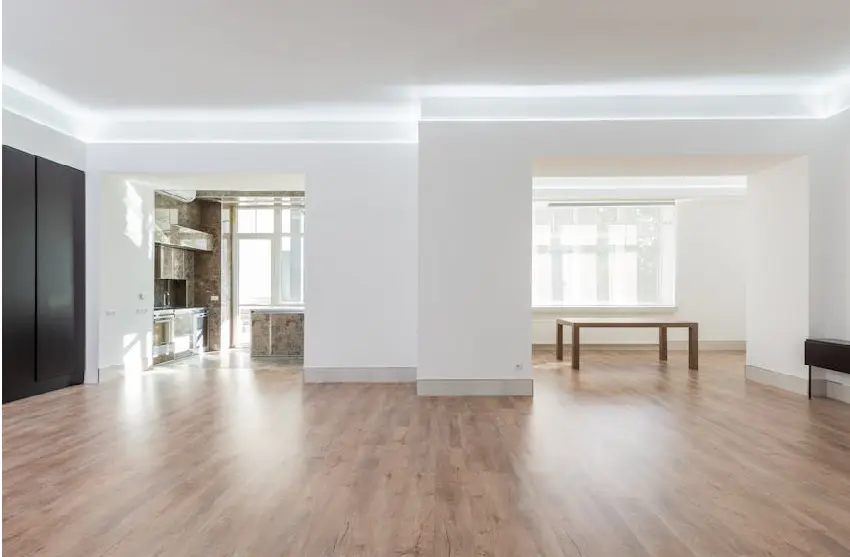
An open floor plan is a residential layout in which common living areas—typically the kitchen, dining room, and living room—are integrated into a single, unified space with minimal wall separation.
Rather than dividing each function into enclosed rooms, open layouts prioritize:
- Visual continuity
- Flexible movement patterns
- Shared functional zones
- Enhanced natural light penetration
In Michigan homes, this often involves remodeling older layouts originally designed with closed kitchens, making kitchen remodeling services in Michigan a common starting point for open-concept conversions.
Why Open Floor Plans Continue to Gain Demand in Michigan
Michigan’s housing stock includes a large number of homes built between the mid-20th century and the early 1980s. Many of these properties were designed around compartmentalized layouts that no longer reflect current homeowner expectations.
Today’s buyers increasingly prioritize homes that support modern lifestyles through flexible, functional design. Demand has shifted toward layouts that accommodate multi-functional living environments, larger communal gathering spaces, kitchen-centered floor plans, and seamless family interaction zones.
These preferences reflect a growing emphasis on homes that are not only visually open but also better suited to everyday living, entertaining, and evolving household needs.
Modern homebuyers are placing greater value on flexible living environments that combine spacious gathering areas, connected kitchen-centered layouts, and integrated family spaces designed for both comfort and functionality.
For homeowners renovating existing properties, opening interior layouts is often part of broader whole-home remodeling projects aimed at modernizing older floor plans.
Strategic Advantages of Open Floor Plans in Michigan Homes
Improved Light Distribution Across Interior Spaces
Michigan winters bring shorter daylight hours and extended overcast conditions. In traditional closed layouts, walls restrict light flow, making interiors feel darker.
Open floor plans improve:
- Daylight penetration across larger zones
- Reduced dependence on artificial lighting
- Perceived warmth during colder months
This can significantly improve year-round livability in northern climates.
Greater Spatial Efficiency Without Increasing Square Footage
One of the strongest benefits of open layouts is their ability to increase perceived size without structural additions.
- Rooms feel larger and less confined
- Traffic flow improves
- Furniture placement becomes more flexible
This is especially valuable in older Michigan homes where outward expansion may not be practical, making basement remodeling solutions another effective way to create usable living space.
Enhanced Lifestyle Functionality
Open layouts support contemporary household needs, including:
- Family interaction during meal preparation
- Easier entertaining and hosting
- Better supervision of children
- Adaptable shared living spaces
This design model aligns with modern households where kitchens increasingly serve as social hubs.
Stronger Market Appeal in Resale Environments
In many Michigan real estate markets, open-concept homes are viewed as more current and desirable than compartmentalized layouts.
Professionally executed open-plan renovations may improve:
- Buyer perception during showings
- Listing presentation quality
- Competitive resale positioning
Operational Challenges and Risks to Consider
Increased Heating and Cooling Demand
Michigan’s climate makes HVAC performance a critical factor.
Open spaces require conditioning larger uninterrupted volumes of air, which can lead to:
- Higher winter heating costs
- Reduced zoning efficiency
- Uneven temperature distribution
Homes with outdated insulation or aging HVAC systems may require upgrades before an open layout performs efficiently.
Structural Complexity in Older Homes
Many walls removed during open-concept remodeling are load-bearing.
This may require:
- Engineered beam installation
- Structural redesign plans
- Permit approvals and inspections
In older Michigan homes, hidden ductwork, plumbing, and outdated wiring often increase complexity and cost.
Reduced Acoustic and Visual Separation
Open layouts can diminish:
- Noise control between activity zones
- Workspace privacy
- Quiet retreat areas within the home
For households with remote workers or multigenerational living, this can affect long-term usability.
Greater Visibility of Kitchen Activity
Because kitchens become visually central in open layouts:
- Clutter becomes more visible
- Storage planning becomes more critical
- Design consistency across zones matters more
Michigan-Specific Evaluation Criteria Before Opening a Floor Plan
Before converting to an open floor plan, Michigan homeowners should carefully evaluate three critical structural and performance factors.
First, the age of the home plays a major role in determining feasibility. Homes built before 1970 often include load-bearing interior partitions, plaster wall assemblies, and older framing systems that require professional engineering review before any walls can be safely removed.
Second, existing HVAC capacity must be reassessed because larger open spaces affect how air circulates throughout the home. In many cases, open layouts require additional supply and return vents, zoned climate controls, or even furnace capacity upgrades to maintain comfort during Michigan’s extreme seasonal temperature shifts.
Finally, insulation and overall energy envelope performance should not be overlooked. Opening floor plans without correcting insulation deficiencies can increase heat loss, create draft movement across larger connected spaces, and drive up utility costs, especially during long Michigan winters.
When an Open Floor Plan Represents Strong Strategic Value
An open floor plan is often the right choice when:
- The home feels visually closed and outdated
- Natural light is limited
- Entertaining is a priority
- The kitchen feels isolated
- HVAC modernization is already planned
When a Partial or Hybrid Layout May Be Better
In many cases, a fully open floor plan is not the most effective solution, and a partial or hybrid layout can deliver better long-term value.
For households where privacy is essential—such as families with remote workers, students, or multigenerational living arrangements—maintaining some separation between spaces can improve comfort and day-to-day functionality.
Michigan homeowners also need to consider energy efficiency, as homes with already high heating expenses may find that large, uninterrupted spaces are harder and more costly to keep warm during the winter months.
Additionally, some properties are defined by architectural details that rely on distinct room divisions, and removing too many walls can compromise the home’s original character.
When structural wall removal becomes financially burdensome due to engineering requirements or major utility relocations, a hybrid design offers a balanced alternative, preserving openness where it matters most while avoiding unnecessary complexity.
The Rise of the “Broken Floor Plan” Alternative
Many homeowners now prefer a hybrid approach known as the broken floor plan, which offers a more balanced alternative to fully open-concept living. This design preserves the spacious feel and visual continuity of an open layout while maintaining functional separation between key areas of the home. Rather than eliminating every interior boundary, broken floor plans use strategic architectural elements to define spaces without fully closing them off, including:
- Wide framed openings
- Partial dividing walls
- Glass partitions
- Ceiling beam transitions
- Island-based zone separation
For many Michigan homes, this approach creates a more effective balance between openness, privacy, energy efficiency, and acoustic control than fully open layouts, making it a practical solution for both modern living and long-term performance.
Cost Considerations in Michigan Remodeling Markets
The cost of converting to an open floor plan in Michigan depends largely on structural complexity, system modifications, and the age of the home.
While non-load-bearing wall removal may cost between $3,000 and $8,000, projects involving load-bearing walls can range from $10,000 to $30,000 or more due to engineering requirements, beam installation, and permit approvals.
Additional expenses often include HVAC adjustments, electrical and plumbing rerouting, flooring patching, and ceiling refinishing—costs that can increase significantly in older Michigan homes where hidden issues such as outdated wiring, water damage, or structural irregularities are common.
Because unexpected conditions frequently arise during demolition, homeowners should plan for a 10–20% contingency reserve and evaluate the full project scope before committing to structural changes.
Cost estimates are based on national remodeling industry averages, contractor pricing benchmarks, and Michigan market conditions. Actual pricing varies by project scope and local permitting requirements.
Best Practices Before Proceeding
Before moving forward with an open floor plan remodel, homeowners should take a comprehensive planning approach that addresses structure, systems, and long-term performance.
This includes confirming whether walls are load-bearing, securing local permits, evaluating HVAC airflow changes, and assessing hidden electrical or plumbing impacts before demolition begins.
Flooring and ceiling integration should be planned early to maintain visual continuity, while insulation upgrades can improve energy efficiency during renovation.
Working with a licensed Michigan remodeling company is essential to ensure code compliance and proper execution, especially in older homes where unexpected structural issues are common. Just as importantly, homeowners should build realistic budgets with contingency allowances and evaluate whether the new layout will genuinely improve daily function, comfort, and long-term value—not simply follow design trends.
Final Assessment: Is It Right for Your Home?
An open floor plan can significantly enhance the livability and market relevance of a Michigan home—but only when aligned with the property’s structural realities and the homeowner’s long-term usage needs.
The most successful remodeling outcomes are not driven by design trends alone. They are based on:
- Climate responsiveness
- Structural feasibility
- Operational efficiency
- Lifestyle alignment
For many Michigan homeowners, the best answer is not maximum openness—it is optimized openness.
Conclusion
Open floor plans remain a valuable remodeling strategy, but their success depends on disciplined planning and context-specific decision-making.
Before removing walls, the critical question is not simply whether the space will look better.
It is whether the redesign will improve how the home performs—functionally, financially, and seasonally—for years to come.
Sources
Angi.com
wmconstructionco.com









Leave a Reply