
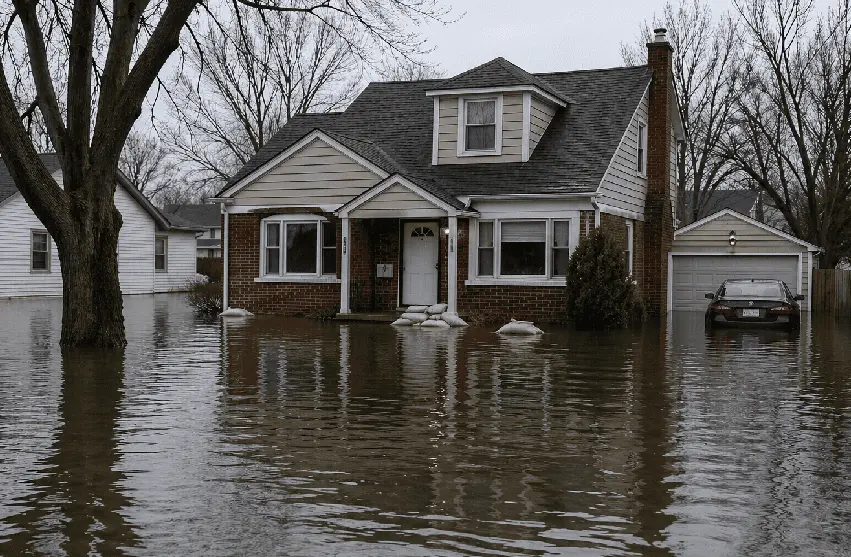
Basement Flooding in Michigan: What Homeowners Should Know
Basement flooding is a common condition in many Michigan homes because of the state’s seasonal climate, soil composition, and water drainage patterns. Homes across cities such as Detroit, Lansing, Grand Rapids, and Ann Arbor often experience periods where groundwater levels rise, especially during spring thaw and heavy rainfall. When this happens, the area surrounding a home’s foundation absorbs moisture, and over time, that moisture begins to move toward the basement.
Understanding how and why basement flooding occurs allows homeowners to respond in a more informed and structured way. It also helps in making long-term decisions that protect the home and reduce the likelihood of repeat issues.
How water enters a basement
Water typically enters a basement through the path of least resistance. In Michigan homes, this is often influenced by pressure that builds up in the soil around the foundation. As the soil becomes saturated, it begins to exert force against foundation walls. This pressure gradually pushes water through small openings such as hairline cracks, joints, or porous materials.
In some cases, water enters through drainage systems that are not functioning efficiently. For example, sump pump systems may become overwhelmed during periods of heavy water flow, or exterior drainage may direct water toward the foundation instead of away from it.
This process happens gradually and is influenced by both construction conditions and environmental factors. Homes with older foundations or outdated drainage systems tend to be more susceptible, although newer homes can also experience similar conditions if water management systems are not properly aligned.
What happens after water enters the basement
Once water reaches the basement, it begins to interact with building materials. Materials such as wood, drywall, and insulation absorb moisture at different rates. Over time, this affects their strength, shape, and stability.
Moisture also changes the internal environment of the basement. Air becomes more humid, and surfaces retain dampness for extended periods. This creates conditions where materials take longer to dry and may not return to their original state without controlled drying.
From a structural perspective, prolonged exposure to moisture can affect framing, flooring systems, and wall assemblies. This is why addressing basement flooding involves more than removing visible water. It requires understanding how moisture moves and how it interacts with different parts of the home.
The importance of early response
Responding to basement flooding in a timely and organized way helps maintain both the condition of the property and the clarity of the restoration process. The first step is to assess the situation carefully and understand the extent of water presence.
Documentation plays an important role at this stage. Capturing the condition of the space through photos and videos provides a clear reference for insurance purposes and helps ensure that all affected areas are accounted for.
Communication with insurance providers is also part of the early response. Insurance companies rely on accurate information and clear timelines when evaluating claims. Providing this information early helps create a more efficient process and reduces uncertainty.
For homeowners who want to understand how restoration is typically managed from assessment to completion, reviewing a structured home restoration approach can provide useful context before taking further steps.
Why moisture management matters
Water that is visible on the surface is only one part of the situation. Moisture often remains within materials and spaces that are not immediately visible. This includes areas behind walls, beneath flooring, and within insulation.
Effective restoration focuses on controlling moisture at all levels. This involves identifying where water has traveled, measuring moisture levels, and applying drying methods that address both surface and internal conditions.
When moisture is managed correctly, materials can be preserved where possible, and the overall structure remains stable. This approach supports both the physical condition of the home and the long-term usability of the space.
Understanding mold development
Mold development is closely related to moisture conditions. In Michigan basements, where airflow may be limited, consistent moisture creates an environment where organic materials can support mold growth.
Mold typically develops in areas that remain damp over time. This includes concealed spaces where moisture is retained and not easily detected. Addressing moisture early and thoroughly reduces the conditions that allow mold to form.
A well-managed restoration process includes identifying moisture sources, drying affected areas, and ensuring that conditions return to a balanced state. This helps maintain indoor air quality and protects building materials.
Long-term prevention and structural considerations
Preventing basement flooding involves understanding how water interacts with the home over time. Exterior drainage, grading, and foundation condition all contribute to how water is managed.
Proper grading ensures that water moves away from the home rather than collecting near the foundation. Downspouts and drainage systems play a role in directing water flow, especially during periods of heavy rainfall.
Structural elements such as foundation walls and waterproofing systems also contribute to long-term performance. Regular inspection and maintenance help identify small changes before they develop into larger concerns.
These measures work together to create a balanced system where water is directed, controlled, and managed effectively.
The role of professional restoration
Basement flooding involves both visible and underlying conditions. Professional restoration focuses on identifying the full scope of impact and applying methods that address both immediate and long-term factors.
This includes assessment, moisture control, and documentation that supports insurance processes. When handled in a structured way, restoration becomes more predictable and easier to manage.
For homeowners exploring how these processes are carried out, understanding the framework behind basement restoration services in Michigan clarifies how the different stages connect and support the outcome.
Also read:
- 7 Popular Basement Remodeling Trends in Michigan
- Manage Costs for Your Michigan Basement Remodel
- Avoid These Costly Mistakes for a Basement Remodel
- Affordable Basement Remodeling in Michigan: Tips and Tricks to Save Money
- Understanding the True Cost of Basement Remodeling in Michigan
Conclusion
Environmental conditions, construction factors, and water management systems influence basement flooding in Michigan. Understanding these elements allows homeowners to approach the situation with clarity and make decisions that support both immediate recovery and long-term stability.
A structured response, combined with proper moisture management and informed planning, ensures that the basement remains a functional and reliable part of the home.






Leave a Reply