
How Natural Light Can Transform Your Michigan Home Interior
Natural light plays a quiet but essential role in how a home feels and functions. In Michigan, where daylight hours vary significantly across seasons, the way light enters and moves through a home can influence comfort, usability, and even how spaces are perceived in size and warmth.
While design choices such as color, furniture, and layout are often prioritized, natural light tends to shape the overall experience of a space in a more fundamental way. Understanding how it works—and how to improve it—allows homeowners to make more informed decisions when planning renovations or interior updates.
Understanding light in Michigan homes
Michigan homes experience a wide range of lighting conditions throughout the year. Winters bring shorter days and lower light angles, while summers offer longer daylight hours with stronger sunlight. This seasonal variation affects how light enters different parts of the home.
For example, north-facing rooms tend to receive softer, consistent light, while south-facing spaces benefit from stronger and more direct sunlight. East-facing rooms receive morning light, and west-facing rooms experience brighter light later in the day.
Recognizing these patterns helps in deciding where to open up spaces, place windows, or adjust layouts so that natural light can be used more effectively throughout the year.
How natural light affects interior space
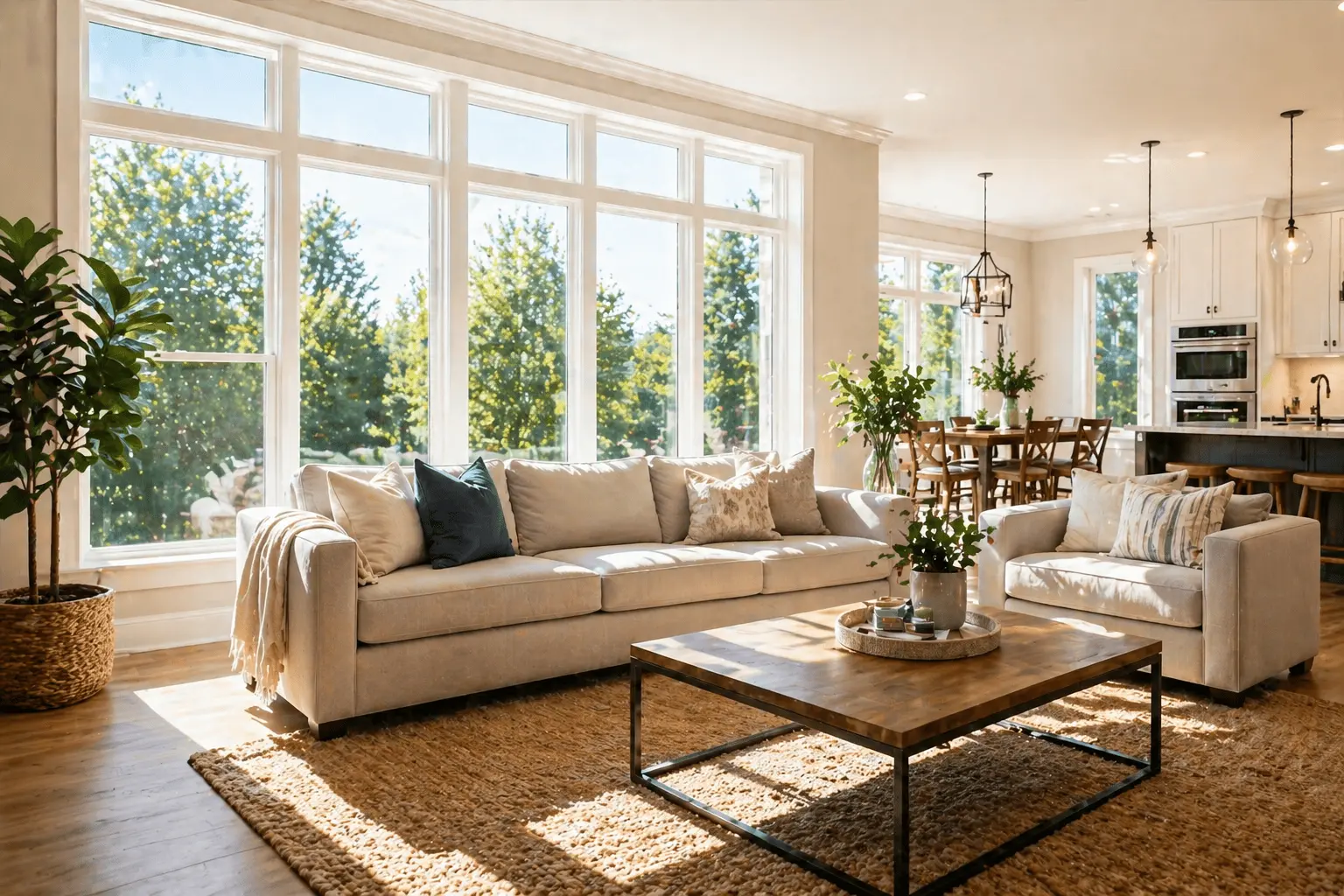
Natural light has a direct impact on how interior spaces are experienced. A well-lit room often appears more open, even if its dimensions remain unchanged. Light reduces the sense of enclosure and creates visual continuity between different areas of the home.
In practical terms, this means that:
- smaller rooms feel less confined
- transitions between spaces appear more seamless
- materials and finishes are seen more clearly
These changes are subtle but consistent. Over time, they influence how frequently spaces are used and how comfortable they feel during different times of the day.
The relationship between layout and light
The way a home is structured determines how light moves within it. Walls, doorways, and ceiling heights all influence how far light can travel.
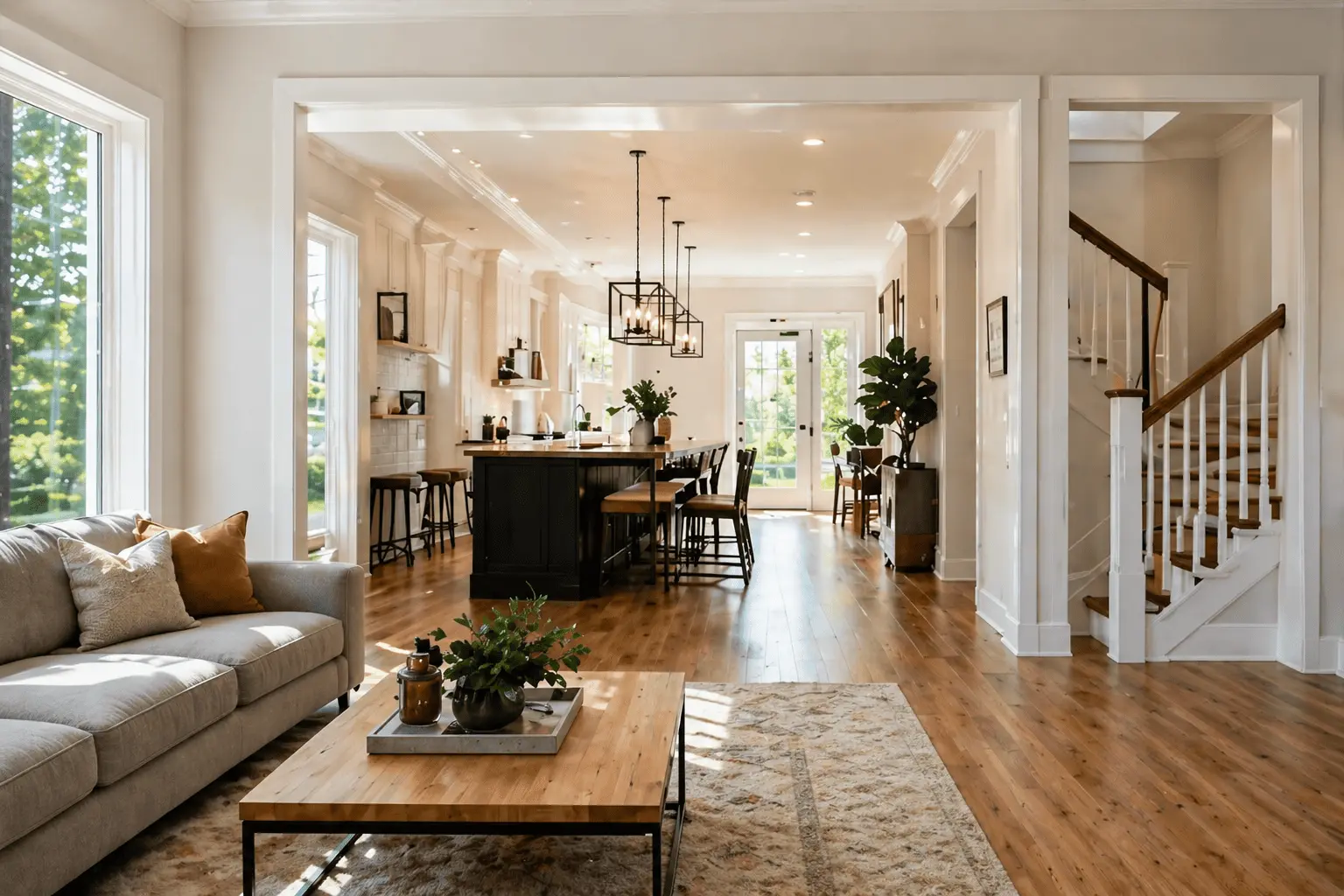
Homes with more open layouts tend to distribute light more evenly, while segmented layouts may limit light to specific areas. In many Michigan homes, especially older properties, interior walls were designed for separation rather than flow. Adjusting these layouts can allow light to move deeper into the home.
Even small changes, such as widening openings between rooms or repositioning interior elements, can improve how light is shared across spaces.
For homeowners considering broader changes, reviewing how home remodeling projects address layout and light together can provide useful insight into how structural adjustments improve interior conditions.
Windows and placement considerations
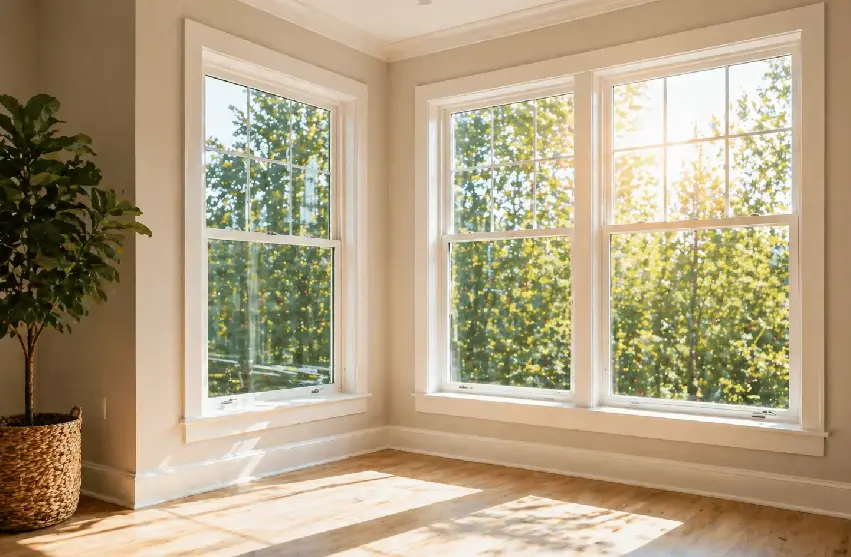
Windows are the primary source of natural light, but their effectiveness depends on placement, size, and orientation.
Larger windows or additional openings increase light exposure, but placement determines how useful that light is. For example, placing windows where light can reach central areas of the home often provides more value than increasing light in already bright spaces.
In Michigan, window performance also matters. Proper insulation and glazing help maintain indoor comfort while allowing sufficient light to enter. This balance is important, especially during colder months.
Reflective surfaces and material choices
Once light enters a space, the materials inside the home influence how it spreads. Light-colored surfaces tend to reflect light, while darker materials absorb it.
Walls, flooring, and finishes all contribute to how light behaves within a room. A combination of reflective surfaces and thoughtful material selection can improve brightness without structural changes.
For example, finishes with a slight sheen can help distribute light more evenly, while matte surfaces may soften its intensity. The goal is not to increase brightness artificially, but to allow existing light to be used more effectively.
Seasonal considerations in Michigan
Because Michigan experiences significant seasonal variation, natural light should be considered across the full year, not just during summer months.
In winter, when daylight is limited, maximizing available light becomes more important. This may involve keeping window areas unobstructed or ensuring that interior layouts do not block light paths.
In summer, managing stronger light levels helps maintain comfort. Window treatments, shading elements, or strategic placement of features can help regulate brightness without reducing the benefits of natural light.
A balanced approach ensures that the home remains comfortable and functional in all seasons.
Natural light and daily living
Over time, natural light influences how spaces are used. Rooms with better light tend to become more active, while darker areas are used less frequently.
This is not only a visual effect but also a practical one. Light supports daily activities such as reading, working, and gathering, making spaces more adaptable to different needs.
In this way, improving natural light is not just a design decision. It is a functional improvement that affects how the home is experienced every day.
Integrating light into renovation planning
When planning interior updates, natural light is often more effective when considered early in the process rather than added later.
This includes evaluating:
- how light currently enters the home
- which areas receive limited exposure
- how structural changes might improve distribution
Integrating light considerations into renovation planning ensures that layout, materials, and openings work together. This results in a more consistent and balanced interior environment.
Conclusion
Natural light influences how a home looks, feels, and functions. In Michigan, where seasonal conditions vary significantly, using light effectively requires an understanding of both environmental factors and interior design choices.
A thoughtful approach to layout, materials, and window placement allows natural light to become a consistent and valuable part of the home. When planned correctly, it supports comfort, improves usability, and enhances the overall quality of the interior space.
For homeowners planning layout improvements, reviewing home remodeling services in Michigan can provide additional context.










Leave a Reply