
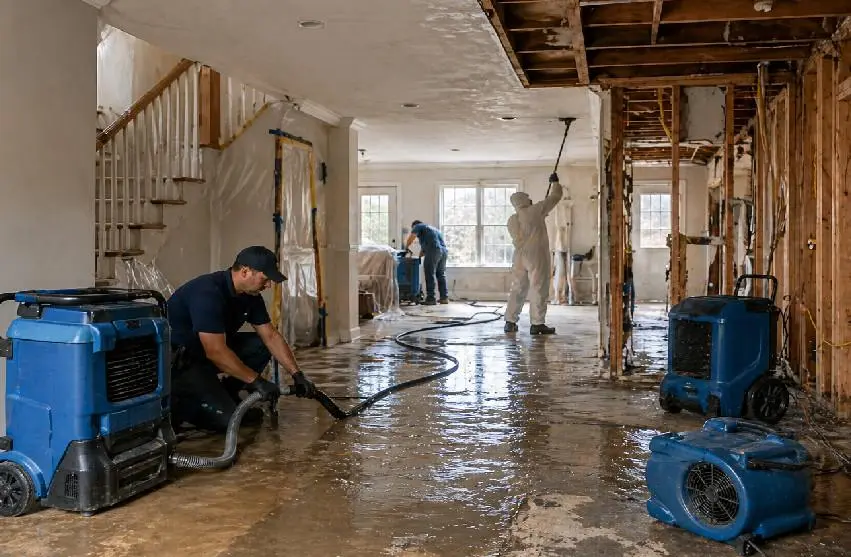
What Happens During Professional Restoration (From Damage to Repair)
When a home experiences water, fire, or related damage, the next step is often described as “restoration.” While the term is familiar, the process itself is less commonly understood.
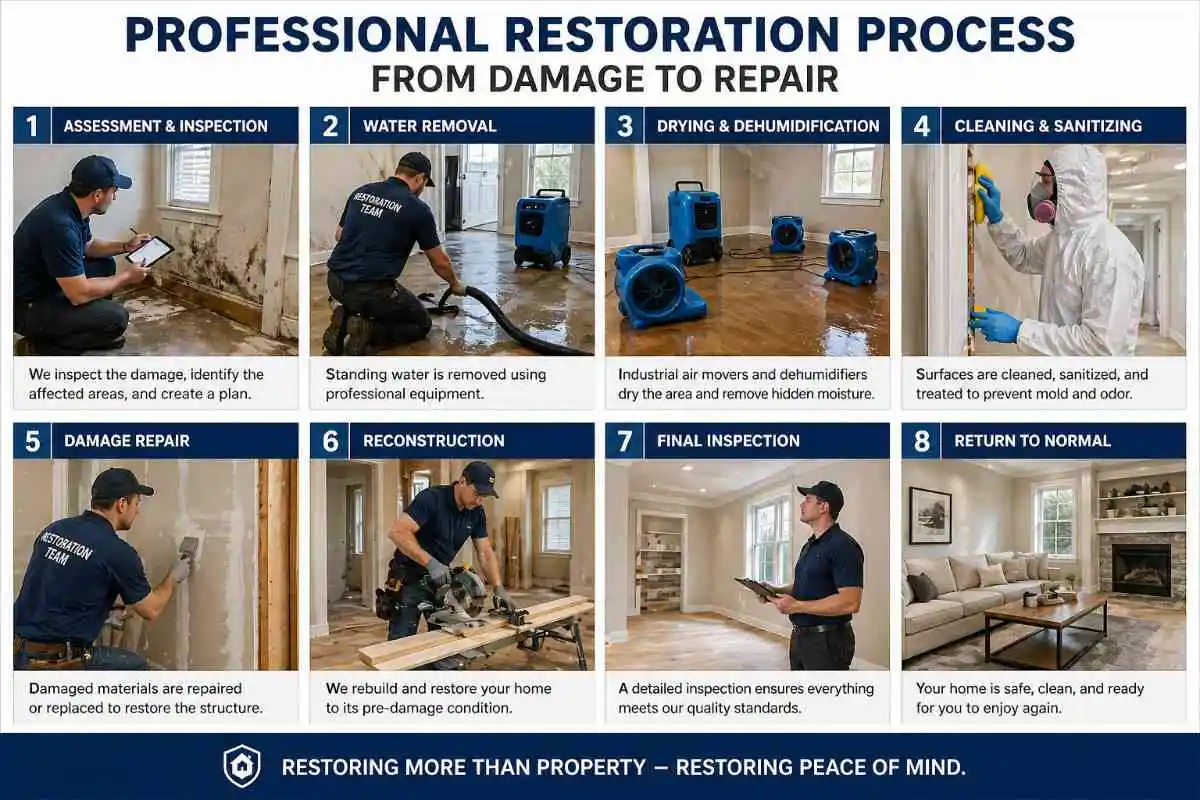
Professional restoration is not a single step. It is a structured sequence that begins with assessing the condition of the property and continues through repair, reconstruction, and completion. Each stage has a specific purpose, and together they ensure that the home returns to a stable and functional condition.
Understanding this process helps homeowners know what to expect and how each step contributes to the overall outcome.
Initial Assessment and Site Evaluation
The restoration process begins with a detailed assessment of the affected area. This stage focuses on understanding the extent of the damage, both visible and concealed.
In cases involving water damage, this includes identifying where moisture has traveled and how deeply it has affected materials. In fire-related situations, the assessment includes examining soot, smoke residue, and heat impact on surfaces and structural elements.
This step establishes the scope of work. It defines what needs to be addressed and provides a clear foundation for the rest of the process.
Documentation and Insurance Coordination
Once the assessment is complete, the condition of the property is documented. This typically includes photographs, moisture readings, and written observations that describe the extent of damage.
Documentation serves two purposes. It creates a clear record for planning the restoration work, and it supports communication with insurance providers. Insurance companies rely on accurate information when reviewing claims, and structured documentation helps ensure that all affected areas are properly accounted for.
For homeowners, this stage provides clarity on what will be addressed and how the process will move forward.
Stabilization of the Property
Before restoration work progresses, the property is stabilized to prevent further impact. Stabilization measures depend on the type of damage but are intended to maintain the current condition and reduce additional stress on the structure.
In water-related situations, this may involve controlling ongoing moisture sources. In fire-related cases, it may include securing affected areas and ensuring that surfaces are not further exposed to environmental conditions.
This stage ensures that the property remains controlled while restoration work is prepared and executed.
Water Removal and Moisture Control
For water-related damage, removing standing water is followed by a more detailed process of moisture control. Water can move into materials such as wood, drywall, and insulation, and it often remains below the surface even after visible water is removed.
Professional restoration uses controlled drying methods to address this. Equipment is used to manage airflow, temperature, and humidity so that moisture is removed evenly and effectively.
Moisture levels are monitored throughout this stage. This ensures that materials reach appropriate dryness levels before the next steps begin.
Cleaning and Surface Treatment
Once moisture is controlled, the focus shifts to cleaning and treating affected surfaces.
In fire damage situations, this includes removing soot and smoke residue from walls, ceilings, and other materials. The process is carried out in a way that prevents residue from spreading or settling deeper into surfaces.
In water damage cases, cleaning involves addressing any contaminants and restoring surfaces to a clean condition. This stage also prepares materials for repair or replacement where necessary.
Repair and Reconstruction
After cleaning and preparation, the restoration process moves into repair and reconstruction.
This stage involves restoring the structure and finishes of the home. Damaged materials that cannot be preserved are replaced, while other areas are repaired and refinished to match the original condition.
Reconstruction may include:
- drywall replacement
- flooring repair or installation
- cabinetry and fixture restoration
- painting and finishing work
The goal is to return the space to a condition that is consistent, functional, and aligned with the rest of the home.
Typical Timeline of a Restoration Project
The duration of a restoration project depends on the type and extent of damage. In general, initial assessment and stabilization are completed within a short timeframe, while drying and cleaning may take several days depending on moisture levels. Repair and reconstruction timelines vary based on material replacement and scope of work.
Understanding the timeline helps set realistic expectations and allows homeowners to plan accordingly during the restoration process.
How Restoration Scope Affects Project Cost
The cost of restoration is influenced by several factors, including the extent of damage, the materials affected, and the level of reconstruction required. Early assessment plays an important role in defining the scope accurately, which helps avoid unexpected adjustments during later stages.
A clearly defined scope ensures that both restoration work and insurance evaluation remain aligned.
Restoration Considerations for Michigan Homes
Homes in Michigan often require additional attention during restoration due to seasonal conditions, including moisture variations and temperature changes. These factors influence drying time, material performance, and long-term durability.
Restoration approaches that account for local environmental conditions help ensure that repairs remain stable and effective over time.
Final Review and Completion
The final stage of professional restoration involves reviewing the completed work to ensure that all aspects of the project have been addressed.
This includes confirming that:
- structural elements are stable
- surfaces are properly finished
- moisture levels are within acceptable ranges
- all agreed work has been completed
At this point, the space is ready for regular use again.
How the Process Works Together
Each stage of restoration is connected. Assessment informs planning. Documentation supports both planning and insurance coordination. Stabilization protects the structure while work is being prepared. Moisture control and cleaning create the conditions needed for proper repair.
When these steps are followed in sequence, the restoration process becomes more predictable and efficient.
For homeowners exploring how these stages come together in practice, reviewing a structured home restoration process can provide a clearer understanding of how each phase supports the next.
Conclusion
Professional restoration is a systematic process designed to address both visible and underlying damage. It combines assessment, controlled methods, and structured repair to return a property to a stable condition.
Understanding how each stage works helps homeowners approach restoration with clarity and make informed decisions throughout the process.
When handled in a structured way, restoration not only repairs the damage but also ensures that the home remains functional and reliable over time.
For homeowners evaluating restoration options, understanding how each stage connects, from assessment to repair, can help in selecting the right approach and avoiding unnecessary delays.

Leave a Reply