
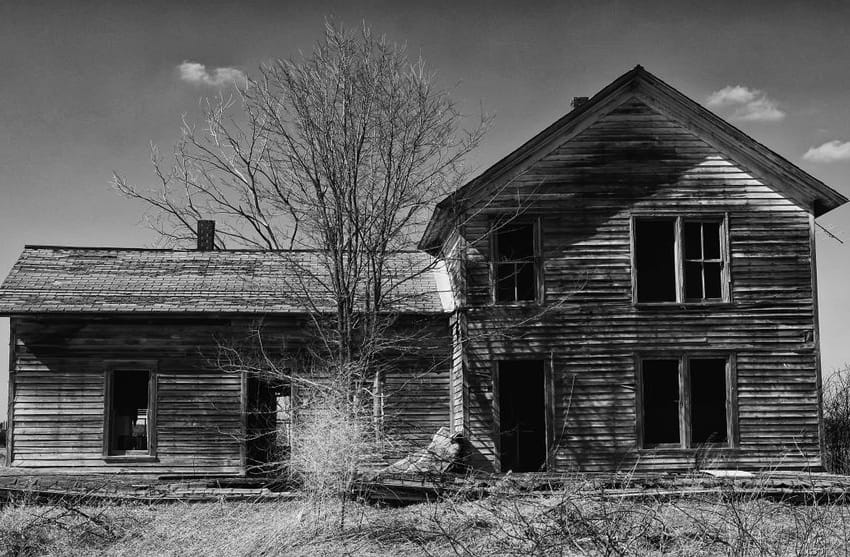
What Property Damage Actually Looks Like Before Insurance Gets Involved
Most homeowners don’t know what they’re looking at when damage strikes. Here’s what professionals see — and what you need to document before you make that call.
When damage hits a property, whether it’s a burst pipe at 2 a.m., a tree branch through the roof, or a fire that was stopped before it spread, most homeowners do the same thing: they look at what they can see and assume that’s the extent of it. Then they call their insurance company.
This is one of the most costly mistakes a property owner can make.
What’s visible after property damage is rarely the whole story. Behind the scorched drywall, beneath the warped floorboards, inside the walls where water traveled after a pipe burst, that’s where the real damage lives. And the window between when damage happens and when an insurance adjuster arrives is the most important window you have.
This guide is about that window. What damage actually looks like, what it means, and what you need to do before insurance gets involved.
Why What You See Before the Adjuster Arrives Matters
Insurance adjusters are trained professionals doing a specific job: assessing the scope of covered damage as efficiently as possible. They are not adversarial, but they are working within a system designed to quantify, categorize, and settle claims. What they document on arrival is largely what your claim will be built on.
This means two things:
- Damage that isn’t documented doesn’t exist — at least not in your claim file.
- Damage that has been disturbed, cleaned up, or partially repaired before documentation may be disputed or undervalued.
Understanding what property damage actually looks like — not just the surface signs, but the patterns, the secondary damage, the indicators of extent and severity — gives you the foundation to protect your claim before it’s even filed.
At US Tech Inc, our property damage assessment specialists work with homeowners in exactly this window — between the event and the adjuster’s visit — to document scope, identify hidden damage, and build a record that accurately reflects what occurred.
Water Damage: The Most Misread Threat in Any Home
Water damage is the most common source of property insurance claims in the United States, and the most consistently underestimated by homeowners at the scene.
What homeowners see:
- A water stain on the ceiling
- Wet carpet or flooring
- Visible pooling around an appliance or pipe
- Bubbling or peeling paint on a wall
What’s actually happening:
Water moves by gravity, capillary action, and air pressure. A leak originating in a second-floor bathroom doesn’t just drip straight down — it travels along joists, soaks into insulation, wicks into drywall from multiple feet away, and pools in subfloor cavities. A ceiling stain that’s 12 inches across may represent water spread of 4 to 6 feet in the cavity above it.
Meanwhile, water that reaches wood structural members begins a clock. Within 24 to 48 hours, conditions suitable for mold growth are established. Within 72 hours, mold colonies may already be forming inside walls where no one can see them.
Secondary water damage indicators to look for:
- Buckling hardwood floors — planks expanding from absorbed moisture beneath the surface
- Soft spots in drywall when pressed gently — a sign of saturation beyond the surface layer
- A musty odor that appears within hours or days — early-stage microbial activity
- Discoloration running along baseboards — water that traveled along the floor plane
- Efflorescence on concrete or masonry — mineral deposits left by water movement through the material
- Rust staining on metal fixtures — indicates sustained or repeated water exposure
Expert Note: Thermal imaging cameras can detect water hidden behind intact walls by mapping temperature differentials. If you suspect extensive water damage, a professional water damage inspection using moisture mapping equipment will reveal the true extent before any drying or restoration work begins, which is exactly the documentation your claim needs.
Storm and Wind Damage: Surface vs. Structural
After a severe storm, the first thing most homeowners do is walk the perimeter and look up. And what they typically see, a few missing shingles, some fallen branches, perhaps a cracked gutter — often feels manageable. Cosmetic, even.
But storm and wind damage operates on two levels: what’s visible from the ground, and what’s happening in the structural assembly beneath.
Roofing damage: what you may miss
Asphalt shingles can suffer hail impact damage that’s invisible from the ground but represents significant granule loss that accelerates weathering. Impact damage to shingles looks like small, random dark spots — bruising that has cracked the mat beneath the surface without tearing the shingle. This damage compromises the shingle’s remaining lifespan substantially but isn’t detectable without close inspection.
Wind damage often causes lifted shingles — not removed, just broken at the seal strip. A shingle that’s returned to its flat position after being lifted looks intact from below but has lost its adhesive bond and will fail in the next significant wind event. An inspector on the roof can feel this; a homeowner on the ground cannot.
Structural wind damage indicators:
- Doors or windows that suddenly stick or won’t latch — frames racked by structural movement
- Cracks that appear at the corners of window and door frames — stress points in the structural assembly
- Garage doors that no longer operate smoothly — the frame has shifted
- Attic inspection reveals daylight through gaps that weren’t there before
- Ceiling cracks that run along seams — drywall responding to truss movement
For accurate storm damage assessment and repair, a roof inspection and structural evaluation following any significant wind event provides documentation your insurer needs — and protects you from discovering six months later that your “cosmetic” roof damage was actually compromising your home’s weather barrier.
Fire and Smoke Damage: What You See vs. What Remains
Fire damage has a quality that sets it apart from every other category: it feels contained. You can see where the fire was. The char marks tell you the story. The burned area is obvious, bounded, and finite.
This is one of the most dangerous perceptions in property damage assessment.
The three invisible layers of fire damage:
1. Smoke penetration. Smoke doesn’t stay where fire was. It moves through the entire structure via HVAC systems, wall cavities, and pressure differentials. Rooms far from the fire source can have significant smoke odor and residue embedded in soft furnishings, insulation, and porous surfaces. Smoke particles are measured in microns — they penetrate materials that look visually unaffected.
2. Soot chemistry. Not all soot is the same. Wet soot (from slow, smoldering fires burning synthetic materials) is sticky, pungent, and penetrates deep into porous surfaces. Dry soot (from fast-burning natural materials) is powdery and easier to remove. Protein residue (from kitchen fires) is nearly invisible but produces a powerful odor and bonds aggressively to painted surfaces. Incorrect cleaning methods can make each type of damage worse.
3. Structural compromise from heat. Wood doesn’t have to char to be damaged by heat. Framing members exposed to significant heat can experience pyrolysis — a chemical change that makes wood brittle and lowers its ignition temperature for future fires. Steel structural elements that reach high temperatures can lose up to 50% of their strength even after cooling. This damage is invisible and requires professional evaluation.
Post-fire warning signs to document immediately:
- Soot deposits on walls, ceilings, and inside cabinets in rooms away from the fire
- Discoloration of electrical outlet covers or light switches (smoke ingress)
- HVAC registers coated in fine black residue
- Persistent odor in rooms that appear visually clean
- Blistered or bubbled paint on walls adjacent to (not just in) the fire area
Our fire and smoke damage restoration experts use industrial hygiene testing to establish the actual scope of smoke contamination — documentation that is essential when smoke damage extends beyond the visible burn area and needs to be covered by your claim.
Foundation and Structural Damage: The Hidden Crisis
Of all the categories of property damage, foundation and structural issues are the most frequently dismissed — because the signals are gradual, subtle, and easy to explain away. A crack in drywall becomes “just the house settling.” A door that sticks becomes “humidity.” A floor that’s slightly off-level becomes something you stop noticing.
These signals are your home’s warning system. They deserve to be taken seriously.
Types of cracks: what they tell you
Not all cracks are equal, and understanding the difference is the foundation (literally) of structural damage assessment.
- Hairline cracks in plaster or drywall at corners of doors and windows — typically normal thermal movement, but monitor for progression.
- Diagonal cracks running at 45° from corners of openings — indicates differential settlement. The structure is moving unevenly.
- Horizontal cracks in basement walls — serious. Indicates lateral soil pressure exceeding the wall’s design capacity. Requires immediate professional evaluation.
- Stair-step cracks in brick or block — mortar joint failure from foundation movement. The pattern follows the path of least resistance through the weakest material.
- Vertical cracks wider at top than bottom (or vice versa) — foundation rotation or heave. The structure is pivoting around a point.
Other structural red flags:
- Floors that bounce or feel spongy underfoot (joist or subfloor failure)
- Visible bowing or sagging in roof lines when viewed from a distance
- Gaps opening between exterior trim and the wall surface
- Windows or doors that have begun to bind after a flood or prolonged wet period
- Chimneys or additions that appear to be separating from the main structure
For homeowners navigating a structural damage assessment, our team provides thorough inspection reports that distinguish between cosmetic settling and genuine structural compromise — the difference that determines what your insurer covers and what a contractor needs to address.
How to Document Property Damage Properly
The quality of your insurance claim is directly proportional to the quality of your documentation. Here is a systematic approach used by property damage professionals.
Immediate documentation (within hours of the event):
- Photograph everything before touching anything. Wide shots establishing context, medium shots showing damage areas, close-ups of specific damage. Every room, every surface, inside every cabinet if applicable.
- Video walk-through. Narrate as you go. State the date, the time, your address, a brief description of the event. Walk slowly and let the camera linger.
- Document personal property damage separately from structural damage. Furniture, electronics, clothing, appliances — each item photographed individually with any visible damage captured.
- Record all measurements you can safely take. Flood depth marks on walls, dimensions of damage areas, water line heights.
- Screenshot weather data for the day if storm-related. Timestamp-verified weather records are powerful supporting documentation.
Ongoing documentation:
- Keep a dated log of all actions taken (tarping, emergency pumping, boarding windows). Time-stamp photographs of each action.
- Save every receipt for emergency protective measures taken before your adjuster’s visit.
- Note any statements made by contractors, emergency responders, or neighbors who witnessed the event or its immediate aftermath.
- Do not discard any damaged materials until your adjuster has viewed them or given written approval.
The property damage documentation services offered by US Tech Inc include professional photography, moisture mapping, thermal imaging, and a written damage assessment report that provides independent third-party documentation — the strongest possible foundation for your insurance claim.
The Mistakes Homeowners Make Before the Claim
These are the most common errors our team sees — and they consistently result in underpaid or disputed claims.
- Cleaning up before documenting.
- The instinct to restore order is powerful. Resist it until everything is thoroughly photographed. Water that’s been mopped up, soot that’s been wiped, debris that’s been removed — all of it reduces the demonstrable scope of your damage.
- Making permanent repairs before the adjuster visits.
- Temporary protective measures (tarping a damaged roof, boarding broken windows, emergency water extraction) are appropriate and should be documented. Permanent repairs before an adjuster inspects the damage may result in the underlying loss being disputed.
- Assuming obvious damage is the only damage.
- As this guide has shown, visible damage is almost always the surface presentation of a deeper problem. Accepting a claim settlement based only on what’s visible at first inspection frequently means leaving significant covered damage on the table.
- Not requesting an itemized estimate.
- Insurers may offer a lump settlement. You are entitled to a line-item breakdown of what is covered and what isn’t. Review it against an independent estimate before accepting.
- Failing to document pre-existing conditions.
- If your home had existing wear, previous repairs, or known issues unrelated to the current event, document those separately and clearly. Adjusters will identify them; it’s better to be ahead of that conversation.
When to Call a Professional Before You Call Your Insurer
There are situations where calling a professional damage assessor before filing your claim is essential.
- Any event involving water that was present for more than a few hours — the mold timeline has already started, and hidden moisture mapping is critical.
- Fire damage that extended beyond a single contained area — smoke and soot spread needs to be professionally scoped.
- Any storm event that involved wind speeds above 60 mph — roof and structural assessment required even if visible damage seems minor.
- Flooding from any source — flood water carries contaminants; health and safety assessment precedes damage documentation.
- Any visible signs of structural movement — cracks, sticking doors, bowing walls — following any event.
- Damage to older homes (pre-1970) — asbestos and lead paint may be present in disturbed materials; professional handling is both a safety and liability matter.
The team at US Tech Inc provides pre-claim property damage assessments that give homeowners an independent, professional evaluation of what occurred, what the extent of damage is, and what documentation will be needed to support a full and fair insurance claim.
We don’t work for your insurance company. We work for you.
Frequently Asked Questions
How soon after property damage should I contact my insurance company?
Most policies require “prompt” notification, generally within 24 to 72 hours for sudden events. However, document damage thoroughly and take emergency protective measures before the adjuster visits. Calling your insurer doesn’t mean they arrive immediately — use that window to record everything.
Can I make any repairs before the insurance adjuster comes?
Emergency protective measures — tarping a damaged roof, boarding broken windows, emergency water extraction — are generally appropriate and reimbursable. Permanent repairs before an adjuster inspects risk having the underlying loss disputed. Document all emergency measures with photographs and receipts.
What is the difference between an insurance adjuster and a public adjuster?
An insurance adjuster works for your insurer to evaluate and settle your claim. A public adjuster works on your behalf to prepare your claim and negotiate with your insurer. A property damage assessment from US Tech Inc provides independent documentation that supports your position throughout the claims process.
Does homeowner’s insurance cover mold from water damage?
Coverage depends on the source. Mold from a sudden, accidental event like a burst pipe may be covered. Mold from gradual leaks or maintenance neglect is typically excluded. Professional documentation of the water event’s source, timing, and extent is critical to mold-related coverage determinations.
How long does a property damage insurance claim take?
Most states require insurers to acknowledge a claim within 10 to 15 days and issue a decision within 30 to 45 days. Complex claims can take longer. Thorough professional documentation from the outset significantly reduces delays caused by disputes about scope.
The Bottom Line
Property damage is stressful. The instinct to act quickly — to clean up, to fix things, to get back to normal — is entirely human. But the window between when damage occurs and when your insurance adjuster arrives is the most consequential in the entire claims process.
What gets documented in that window is what gets covered.
Understanding what damage actually looks like — beyond the visible surface, into the secondary effects, the hidden spread, the structural implications — is what separates a fully settled claim from one that leaves significant money on the table.
The professionals at US Tech Inc are available to conduct pre-claim property damage assessments, provide independent documentation, and help you walk into the insurance process with a complete, accurate record of what occurred. Contact our team today — before you make that call to your insurer.
Suffered Property Damage? Get an Independent Assessment First.
Don’t let the insurance process determine the scope of your damage. Our specialists document what adjusters miss — so your claim reflects the full picture.








Leave a Reply