
The Best Flooring Trends of 2026
Flooring plays a critical role in how a home looks, feels, and performs over time. In 2026, owners are moving beyond purely aesthetic choices and focusing on materials that offer durability, comfort, and long-term value.
Today’s flooring trends reflect a shift toward natural finishes, functional design, and low-maintenance solutions. Whether you are planning a full renovation or updating a single room, choosing the right flooring can significantly impact both daily living and resale value.
As part of a broader home remodeling strategy, flooring should be considered early in the design process. It influences layout decisions, lighting, and how different spaces connect within the home.
When planning your project, keep these core functional rules in mind:
- Open-concept layouts benefit from consistent flooring choices
- Kitchens and bathrooms require moisture-resistant materials
- Basements need flooring designed for below-grade conditions
If you are planning a larger upgrade, flooring decisions often align with projects like kitchen remodeling, bathroom remodeling, or basement remodeling, where material performance matters just as much as appearance.
In this guide, we break down the most important flooring trends shaping homes in 2026—along with practical insights to help you choose the right option for your space.
Warm, Natural Wood Tones Are Leading in 2026
One of the most noticeable shifts in 2026 flooring trends is the move away from cool grey tones toward warmer, natural wood finishes. Homeowners are choosing colors like oak, beige, honey, and light walnut to create spaces that feel more inviting and timeless.
Warm-toned flooring works well across a wide range of interior styles. It complements modern designs while also blending seamlessly with traditional and transitional homes. This flexibility makes it a strong long-term investment, especially for homeowners planning future updates.
Unlike cooler tones, which can feel sterile over time, natural wood shades add depth and character to a space. They also pair better with popular 2026 design elements such as soft neutrals, textured finishes, and organic materials.
- Creates a warmer and more welcoming atmosphere
- Works well with both modern and classic interiors
- Hides dust and minor wear better than darker or grey tones
- Offers long-term design flexibility
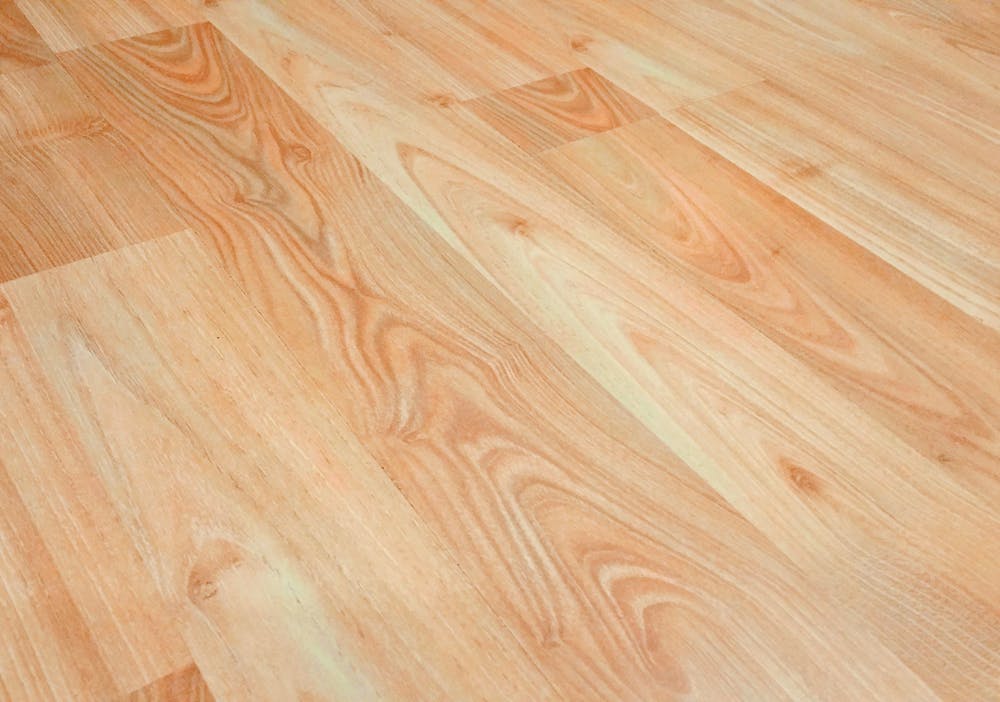
Warm wood tones are especially effective in high-impact areas like living rooms and kitchens.
For homeowners planning a full renovation, integrating natural wood flooring as part of a broader home remodeling project ensures a cohesive design from room to room.
In 2026, the focus is clear: flooring should not only look good today but continue to feel relevant and adaptable for years to come.
Wide Plank and Wood-Look Flooring Continue to Grow
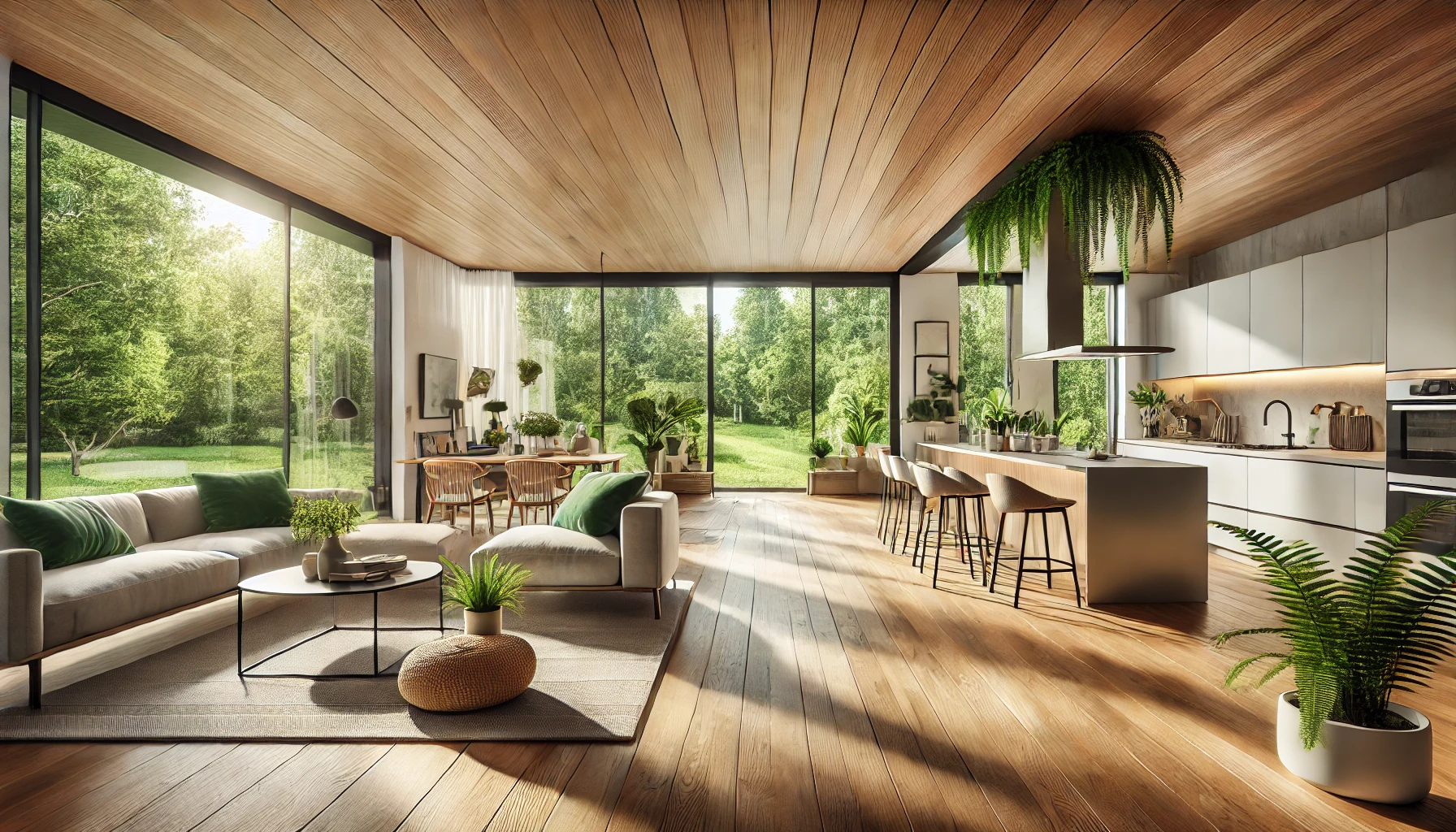
Wide plank flooring remains one of the most in-demand choices in 2026. Compared to traditional narrow boards, wider planks create a cleaner, more seamless appearance that makes spaces feel larger and more open.
This trend is especially popular in open-concept homes, where flooring plays a key role in visually connecting living areas, kitchens, and dining spaces. Fewer seams also mean less visual interruption, which contributes to a more modern and cohesive look.
In addition to natural hardwood, many homeowners are choosing wood-look alternatives such as luxury vinyl plank (LVP) and laminate flooring. These materials replicate the appearance of real wood while offering improved durability and lower maintenance.
- Wide planks create a more spacious and modern feel
- LVP flooring offers water resistance and durability for high-traffic areas
- Laminate flooring provides a cost-effective wood-look option
- Fewer seams result in a cleaner, more continuous design
Wood-look flooring is particularly effective in areas exposed to moisture or heavy use, such as kitchens and basements.
From a practical standpoint, LVP has become a preferred option for many homeowners due to its resistance to water, scratches, and daily wear. It is well-suited for families, pets, and busy households where durability is a priority.
For larger renovation projects, combining wide plank flooring with a consistent layout across rooms can significantly enhance flow and continuity.
In 2026, the focus is not just on how flooring looks, but how it performs in real-life conditions—making wide plank and wood-look materials a practical and design-forward choice.
Statement Flooring: Patterns and Visual Interest
In 2026, flooring is no longer just a background element. Homeowners are increasingly using it as a design feature to add personality and visual interest to their spaces.
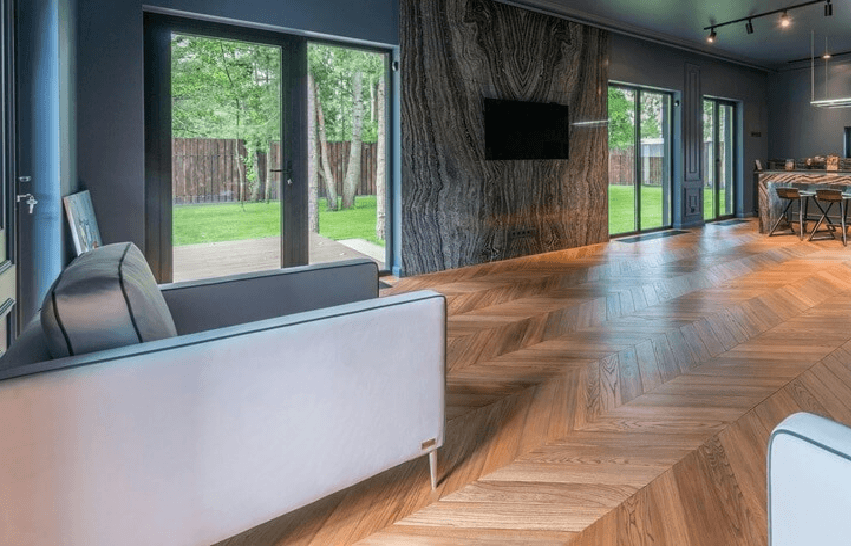
Patterned flooring styles such as herringbone, chevron, and parquet are becoming more popular, especially in areas where a refined or high-end look is desired. These designs create movement and help define the overall character of a room.
- Herringbone adds subtle movement and works in both modern and traditional homes
- Chevron creates a sharper, more structured visual pattern
- Parquet delivers a classic, detailed, and premium finish
- Checkerboard and tile patterns add contrast and visual depth
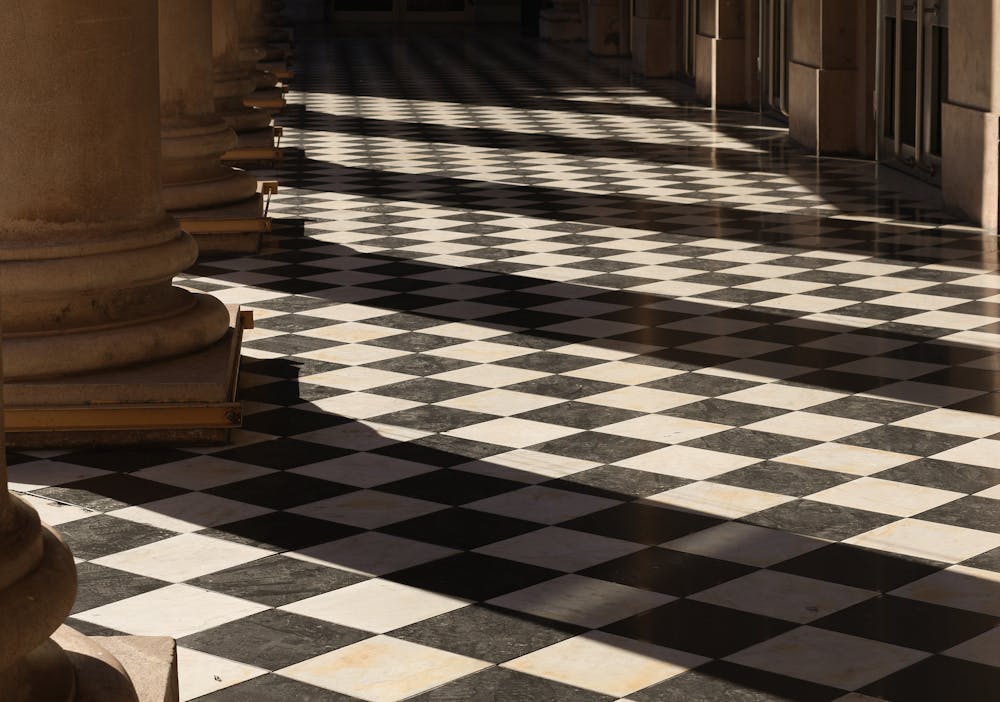
This approach is often referred to as the “fifth wall,” where flooring becomes a focal point rather than a supporting element. It works particularly well in entryways, kitchens, and feature areas within open-concept layouts.
When used alongside projects like kitchen remodeling or home additions, patterned flooring can help define spaces while maintaining a cohesive design.
However, it is important to use statement flooring selectively. Applying it across the entire home can feel overwhelming. Instead, focus on key areas where it can enhance the space without competing with other design elements.
In 2026, the goal is balance—using flooring to add character while maintaining a clean and well-designed overall look.
Stone, Terrazzo, and Natural Finishes Are Gaining Popularity
Natural materials are becoming a strong focus in 2026 flooring trends. Homeowners are increasingly choosing stone, terrazzo, and stone-look tiles for their durability and timeless appearance.
These materials are especially popular in areas where moisture and wear are a concern, such as kitchens, bathrooms, and entryways. Unlike traditional wood flooring, stone and tile options are better suited for handling water, spills, and heavy foot traffic.
Terrazzo, in particular, is making a comeback with a more modern look. Today’s designs use subtle patterns and neutral tones, making them easier to integrate into contemporary homes without overwhelming the space.
- Stone flooring offers durability and a natural, high-end look
- Terrazzo adds texture and visual interest without being too bold
- Porcelain and ceramic tiles provide low-maintenance, water-resistant solutions
- Ideal for kitchens, bathrooms, and high-traffic areas
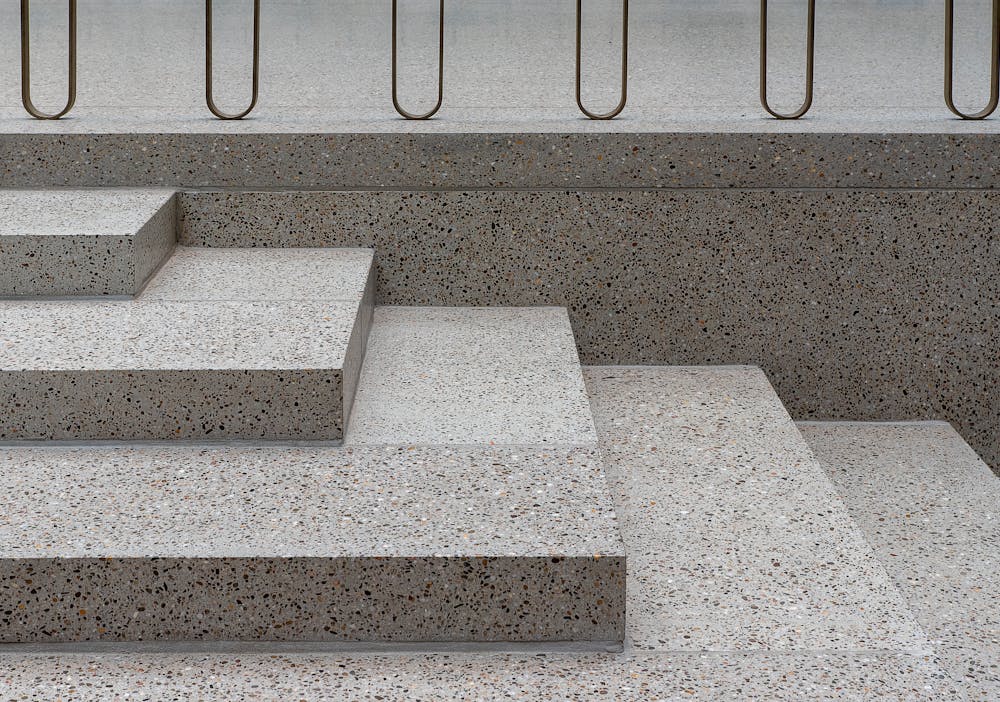
These materials are often used in projects like bathroom remodeling and kitchen remodeling, where functionality is just as important as design. Choosing the right flooring in these spaces can significantly improve both usability and long-term maintenance.
From a practical standpoint, natural and stone-look flooring requires less upkeep compared to traditional hardwood. It resists moisture, is easier to clean, and holds up well over time, making it a smart choice for busy households.
However, it’s important to consider comfort. Stone and tile surfaces can feel harder and colder underfoot, which is why many homeowners combine them with area rugs or radiant heating systems for added comfort.
In 2026, the shift toward natural finishes reflects a broader trend—homeowners want materials that are not only visually appealing but also practical, durable, and built for everyday living.
Matte and Textured Finishes Are Replacing Glossy Floors
In 2026, homeowners are moving away from high-gloss flooring and choosing matte and textured finishes instead. These finishes offer a more natural look while also being more practical for everyday living.
Glossy floors tend to show scratches, dust, and footprints more easily. In contrast, matte and textured surfaces help hide minor wear and tear, making them a better option for busy households.
Textured finishes, such as brushed or hand-scraped wood, also add depth and character to a space. They create a more relaxed, lived-in feel compared to smooth, polished surfaces.
- Matte finishes reduce glare and create a softer, more natural appearance
- Textured surfaces help conceal scratches and daily wear
- Lower maintenance compared to glossy flooring
- Well-suited for homes with kids, pets, or high foot traffic
These finishes work particularly well in living rooms, hallways, and open-concept spaces where flooring sees constant use. When included as part of a larger home remodeling project, they help maintain a consistent and practical design throughout the home.
From a design perspective, matte finishes also pair better with current interior trends such as warm tones, natural materials, and minimalistic layouts. They create a balanced look without drawing too much attention to the floor itself.
For homeowners, the shift is simple: flooring should not only look good when installed but continue to look good with everyday use. Matte and textured finishes deliver on both appearance and performance.
Comfort-Driven Flooring Is Making a Comeback
While hard surfaces continue to dominate main living areas, comfort-focused flooring is returning in spaces where warmth and softness matter most. In 2026, homeowners are reintroducing carpet and soft flooring options in bedrooms, lounges, and private areas.
This shift is driven by a growing focus on comfort, noise reduction, and creating more livable, relaxing environments within the home. Soft flooring helps absorb sound, making it especially useful in multi-level homes or households with children.
- Carpet flooring adds warmth and comfort underfoot
- Helps reduce noise between rooms and floors
- Ideal for bedrooms, basements, and private living spaces
- Available in modern, neutral tones that match current design trends
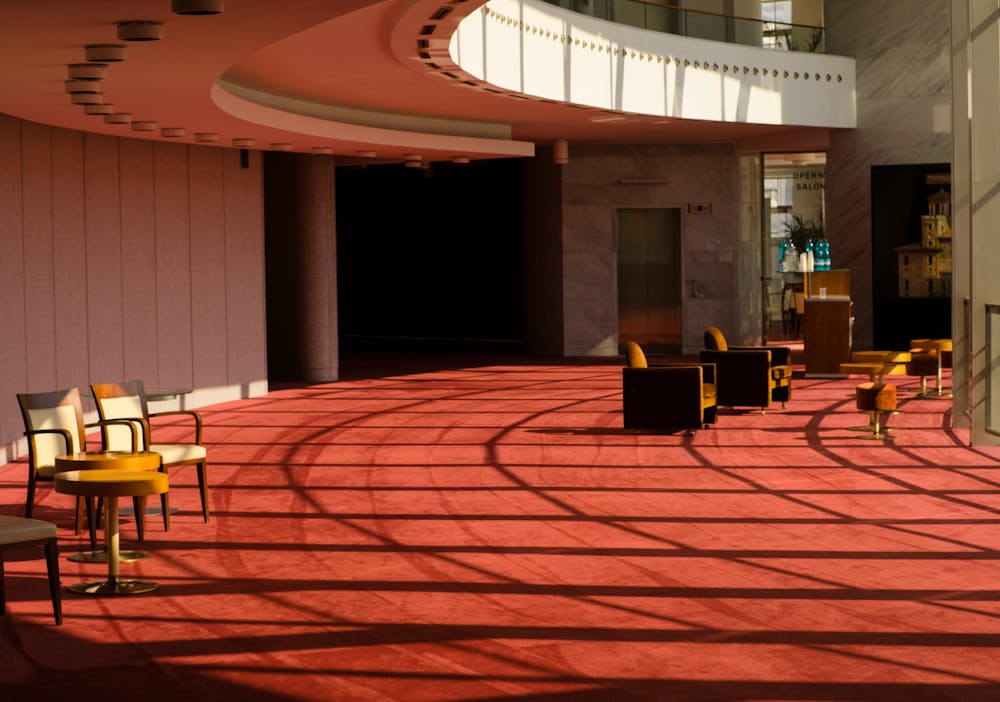
Today’s carpet options are more durable and easier to maintain than older materials. Many are designed to resist stains and wear, making them a practical choice for families when used in the right areas.
Comfort flooring is often incorporated into projects like basement remodeling, where creating a warm and usable living space is a priority. It can also be combined with hard flooring in other areas to achieve a balanced design throughout the home.
However, carpet is typically not recommended for high-moisture areas such as kitchens or bathrooms. Instead, it works best as part of a layered flooring strategy—using softer materials where comfort is key and more durable surfaces where performance is critical.
In 2026, the goal is not to choose one type of flooring for the entire home, but to select materials based on how each space is used.
Sustainable and Low-Maintenance Flooring Is a Priority
In 2026, more homeowners are choosing flooring that is both environmentally responsible and easy to maintain. The focus is shifting toward materials that offer long-term durability without requiring constant upkeep.
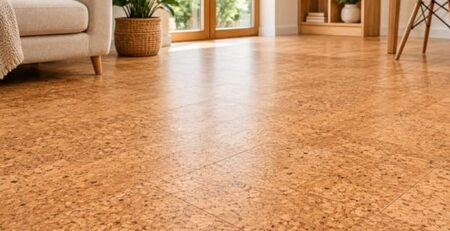
Sustainable flooring options such as bamboo, cork, and recycled materials are gaining attention for their lower environmental impact. At the same time, modern manufacturing has improved the performance of materials like luxury vinyl and engineered wood, making them more durable and easier to care for.
- Bamboo flooring is renewable, durable, and visually similar to hardwood
- Cork flooring offers comfort, insulation, and sound absorption
- Luxury vinyl plank (LVP) provides water resistance and low maintenance
- Engineered wood delivers the look of hardwood with better stability
Low-maintenance flooring is especially important in high-traffic areas such as kitchens, hallways, and family rooms. Materials that resist stains, scratches, and moisture help reduce long-term maintenance and repair costs.
These options are commonly selected during projects like kitchen remodeling and full home renovations, where homeowners are looking for solutions that balance performance with design.
From a practical perspective, choosing the right flooring can save time and effort over the years. Surfaces that are easy to clean and maintain allow homeowners to focus less on upkeep and more on enjoying their space.
In 2026, sustainability is not just about materials—it is about making smarter, long-term choices that improve both the home and the way it is used every day.
How to Choose the Right Flooring for Your Home
With so many options available, choosing the right flooring can feel overwhelming. The key is to focus on how each space is used and select materials that match both your lifestyle and long-term needs.
Start by considering functionality. High-traffic areas like kitchens, hallways, and living rooms require durable, low-maintenance materials, while bedrooms and private spaces can prioritize comfort and warmth.
- Durability: Choose materials that can handle daily wear and foot traffic
- Maintenance: Consider how much time you want to spend on cleaning and upkeep
- Moisture resistance: Essential for kitchens, bathrooms, and basements
- Design compatibility: Ensure flooring complements your overall interior style
It is also important to think long-term. Flooring is a foundational element that should remain relevant even as design trends evolve. Neutral tones and high-quality materials tend to offer the best balance between style and longevity.
If you are planning a larger upgrade, working with professionals can help ensure your flooring choices align with layout, lighting, and overall design goals.
Ultimately, the best flooring is not just about appearance—it is about how well it performs in your day-to-day life.
Final Thoughts
Flooring trends in 2026 reflect a clear shift toward warmth, functionality, and long-term value. Homeowners are choosing materials that not only enhance the look of their space but also support everyday living.
From natural wood tones and wide plank flooring to durable stone finishes and low-maintenance materials, the focus is on creating spaces that feel comfortable, practical, and visually balanced.
Whether you are updating a single room or planning a full renovation, the right flooring can transform how your home looks and functions. Making thoughtful choices now can improve both your living experience and your property’s value over time.
Frequently Asked Questions
What flooring is most popular in 2026?
Warm wood tones, wide plank flooring, and natural finishes are among the most popular choices. Homeowners are prioritizing durability and comfort along with design.
Is carpet still in style in 2026?
Yes, carpet is making a comeback in bedrooms and private spaces where comfort and noise reduction are important.
What is the most durable flooring option?
Luxury vinyl plank (LVP), tile, and engineered wood are some of the most durable and low-maintenance flooring options available today.
Are grey floors outdated?
Cool grey tones are becoming less popular. Warmer, natural shades are now preferred for a more inviting and timeless look.
What flooring is best for kitchens and bathrooms?
Water-resistant materials such as tile, luxury vinyl, and certain engineered wood options are best suited for areas exposed to moisture.



Comment (1)
[…] a particular kind of cold that only a Michigan floor knows. It’s not the bracing cold of a wind off Lake Huron or the sting of a January morning […]