
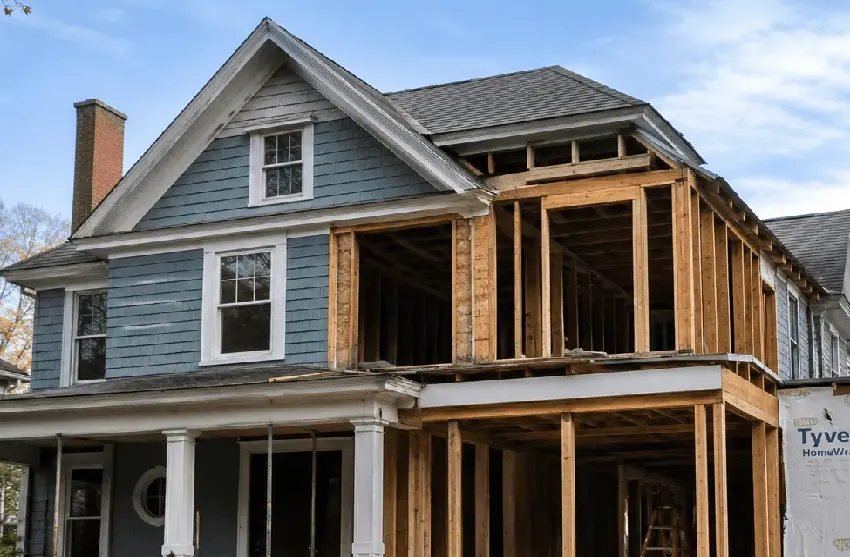
Why Older Michigan Homes Require a Different Remodeling Approach
Older homes in Michigan offer something many newer homes cannot easily replicate: architectural character, durable materials, established neighborhoods, and a sense of permanence shaped over decades.
From Detroit’s historic districts to homes in Birmingham, Rochester Hills, Grand Rapids, and Ann Arbor, many properties built in the early and mid-20th century were designed around lifestyles, construction methods, and environmental assumptions that differ significantly from today.
That is why remodeling an older Michigan home is fundamentally different from updating a newer property.
In many cases, the visible portion of a remodel — cabinetry, flooring, lighting, finishes — is only a small part of the work. The more important decisions often involve what exists behind the walls, beneath the floors, and within the structure itself.
Successful remodeling in older homes requires a balance between preservation and modernization. It is not simply about replacing outdated materials. It is about understanding how the home was built, how it has aged over time, and how modern systems can integrate without compromising structural integrity or architectural identity.
For homeowners planning home remodeling projects in Michigan, understanding these differences early can significantly influence both the outcome and the long-term performance of the home.
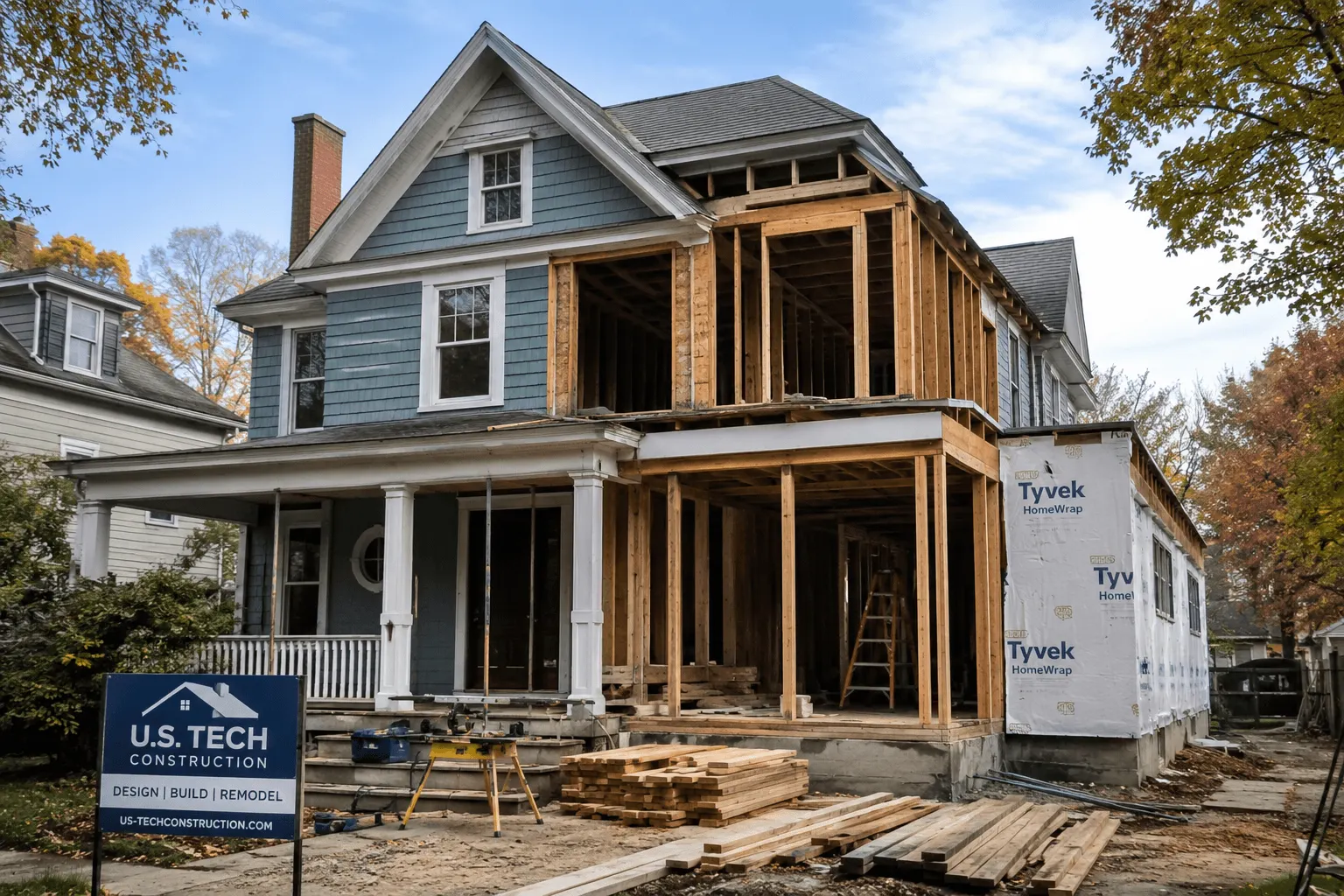
Older Homes Were Designed for a Different Way of Living
Many older Michigan homes were built around priorities that no longer define modern residential design.
Homes constructed between the 1920s and 1960s emphasized room separation, formal layouts, compartmentalized kitchens, and smaller utility-focused bathrooms. Natural light distribution was often secondary to insulation efficiency and heat retention during long Michigan winters.
As a result, many homeowners today experience older homes differently than they were originally intended to function.
Common concerns include:
- limited kitchen workspace
- segmented layouts that interrupt movement
- minimal storage integration
- smaller bathrooms
- uneven natural light distribution
These are not design flaws. They reflect the period in which the home was built.
Modern remodeling often focuses on improving flow, expanding usable space, and integrating daily functionality into layouts that were designed for another era.
Behind-the-Wall Conditions Shape the Entire Remodel
One of the biggest misconceptions homeowners have about older-home remodeling is assuming the project begins with finishes.
In reality, remodeling older homes frequently begins with investigation.
Many Michigan homes built before the 1980s contain aging electrical systems, outdated plumbing, limited insulation, and framing methods that differ from current construction standards.
For example, kitchen remodeling projects often reveal:
- electrical systems unable to support modern appliance loads
- improperly modified plumbing from previous renovations
- insufficient ventilation pathways
- hidden moisture damage around older windows or exterior walls
These discoveries are common because older homes evolve incrementally over decades. Multiple renovations may have occurred under different building standards, sometimes without permits or coordinated planning.
This is why experienced contractors approach older-home remodeling with flexibility rather than assumptions.
Homeowners planning a kitchen remodeling project in Michigan should understand that the visible renovation is often supported by substantial infrastructure improvements that remain unseen once the project is complete.

Michigan Climate Conditions Accelerate Structural Aging
Michigan’s climate introduces structural and environmental conditions that significantly influence how older homes age.
Freeze-thaw cycles place repeated stress on foundations, masonry, roofing systems, and exterior materials. Seasonal humidity fluctuations affect wood movement, plaster stability, insulation performance, and moisture migration throughout the structure.
Over time, these conditions create patterns that experienced remodeling professionals recognize immediately.
For example, in many older homes:
- plaster cracking follows seasonal framing movement
- basement moisture appears where older waterproofing systems have deteriorated
- draft conditions develop around original window framing
- flooring shifts slightly due to long-term structural settlement
These issues are not unusual. They are often the natural result of decades of environmental exposure.
Basements are particularly important in Michigan homes.
Many older basements were originally intended for utility storage rather than finished living areas. Drainage systems, waterproofing membranes, and foundation insulation standards were very different from current practices.
As homeowners look to create additional usable living space, moisture management becomes one of the most critical aspects of the project.
This is one reason why basement remodeling in Michigan requires careful structural and environmental planning before finishes are installed.
Permits and Code Compliance Are More Complex in Older Homes
Remodeling older homes often involves more extensive code considerations than homeowners initially expect.
Once portions of the home are modified, certain systems may need to comply with current Michigan building standards.
For example:
- electrical upgrades may require panel modernization
- bathroom renovations may trigger updated ventilation requirements
- layout modifications may require engineered structural review
- finished basements may require egress window installation
These updates are not simply regulatory formalities. They improve long-term safety, performance, and reliability.
However, they also reinforce why planning carries significantly more weight in older homes than many homeowners realize at the beginning of a project.
Older Homes Require a More Investigative Remodeling Process
Newer homes tend to be more predictable because their systems and structural methods align more closely with current construction practices.
Older homes require a different mindset.
Before layouts are finalized or materials selected, remodeling teams often need to evaluate:
- how previous renovations were completed
- whether existing work meets code
- how framing systems interact
- where hidden wear or moisture conditions may exist
- how modern systems can integrate without compromising the structure
This investigative phase is one of the defining differences between remodeling older homes and remodeling newer construction.
The process becomes less about applying a standard renovation formula and more about understanding the house individually.
Preserving Character Is Part of the Remodeling Strategy
The most successful older-home remodels are rarely the ones that erase the home’s original identity.
They are the ones that modernize functionality while preserving the elements that give the home architectural continuity.
In many Michigan homes, this includes:
- original wood trim and millwork
- arched openings and built-in cabinetry
- historic masonry and plaster detailing
- proportions and ceiling heights uncommon in newer homes
These elements contribute to why older homes continue to hold long-term appeal.
Modernization works best when it supports these characteristics rather than replacing them indiscriminately.

Energy Efficiency Requires a Different Strategy in Older Homes
Improving energy efficiency in older Michigan homes involves more than simply replacing windows or adding insulation.
Older homes breathe differently than modern airtight construction.
Ventilation patterns, wall assemblies, and material behavior often depend on gradual air movement that has existed for decades. Improper modernization can unintentionally trap moisture within walls or create new airflow problems.
This is why energy improvements in older homes must be approached systematically.
Common upgrades include:
- air sealing around penetrations and framing gaps
- attic insulation improvements
- controlled ventilation updates
- high-efficiency HVAC integration
- window restoration or selective replacement
When integrated correctly, these improvements increase comfort while preserving the long-term health of the structure.
Planning Matters More in Older Homes Than Almost Anywhere Else
In older homes, every system tends to influence another.
Opening a wall may affect:
- electrical routing
- HVAC distribution
- structural load paths
- floor transitions
- natural light flow
Changing layouts may influence plumbing alignment, window placement, and even how adjoining rooms feel spatially.
The earlier these relationships are understood, the more predictable the remodeling process becomes.
For homeowners evaluating broader layout improvements, understanding how natural light transforms Michigan home interiors can also provide useful insight into how structural decisions affect everyday living conditions.
The Financial Value of Older-Home Remodeling Often Exists Beneath the Surface
Many of the most important improvements in older homes are not immediately visible after the project is complete.
Electrical modernization, waterproofing, structural reinforcement, insulation upgrades, and ventilation improvements may not change how the home photographs, but they significantly improve:
- durability
- safety
- energy performance
- long-term reliability
These upgrades create the foundation that allows visible finishes and design improvements to perform properly over time.
Conclusion
Older Michigan homes offer architectural qualities that continue to attract homeowners — craftsmanship, established neighborhoods, durable materials, and distinctive character.
At the same time, they require a remodeling approach that is more investigative, more technically coordinated, and more responsive to long-term structural realities than newer homes typically demand.
Successful home renovation is not about removing the past. It is about understanding how to adapt it thoughtfully for modern living while preserving the qualities that made the home valuable in the first place.
When approached with proper planning, technical expertise, and respect for the original structure, older homes can evolve in ways that improve functionality, efficiency, and comfort without losing their architectural identity.
To discuss your remodeling goals with an experienced Michigan contractor, contact U.S. Tech Inc. for a consultation.






Leave a Reply